Italian food is far more than pizza and pasta — it is one of the world's most regional, ingredient-obsessed, and fiercely debated cuisines. Each of Italy's 20 regions guards its recipes like state secrets: the carbonara in Rome bears no cream, the ragù in Bologna no tomatoes to speak of, and a Neapolitan would sooner argue religion than accept a non-certified Margherita. This guide covers the 10 essential Italian foods, where to eat the definitive version, typical costs, and the rules locals live by.
Italy Food Quick Facts• Currency: Euro (EUR) — budget meals from EUR 5-10
• Meal times: Lunch 12:30-2:30pm | Dinner 7:30-10:30pm
• Tipping: Round up or leave 1-2 EUR — not mandatory
• Water: Ask for "acqua naturale" (still) or "acqua frizzante" (sparkling)
• Cover charge: "Coperto" (EUR 1-3 per person) is common and normal
1. Pizza Napoletana
True Neapolitan pizza has exactly two certified versions — Margherita (tomato, fior di latte mozzarella, fresh basil) and Marinara (tomato, garlic, oregano, olive oil). The dough is made with Tipo 00 flour, fermented 24-48 hours, hand-stretched to 3mm thin, then blistered in a 485C wood-fired oven for 60-90 seconds. The result: a soft, charred, slightly chewy crust with a wet centre. The Associazione Verace Pizza Napoletana certifies pizzerias worldwide that follow the strict method.
Where to eat: L'Antica Pizzeria da Michele (Naples, since 1870 — the gold standard); Sorbillo (Naples, queues but worth it); Pizzarium (Rome, for Roman-style pizza al taglio by the slice).
Price range: EUR 5-12 in Naples | EUR 10-18 in Rome or Milan.
Pro tip: In Naples, eat standing at the counter — it is faster and often cheaper. The best pizzerias have queues. Do not ask for extra toppings on a Margherita; it defeats the point.2. Pasta
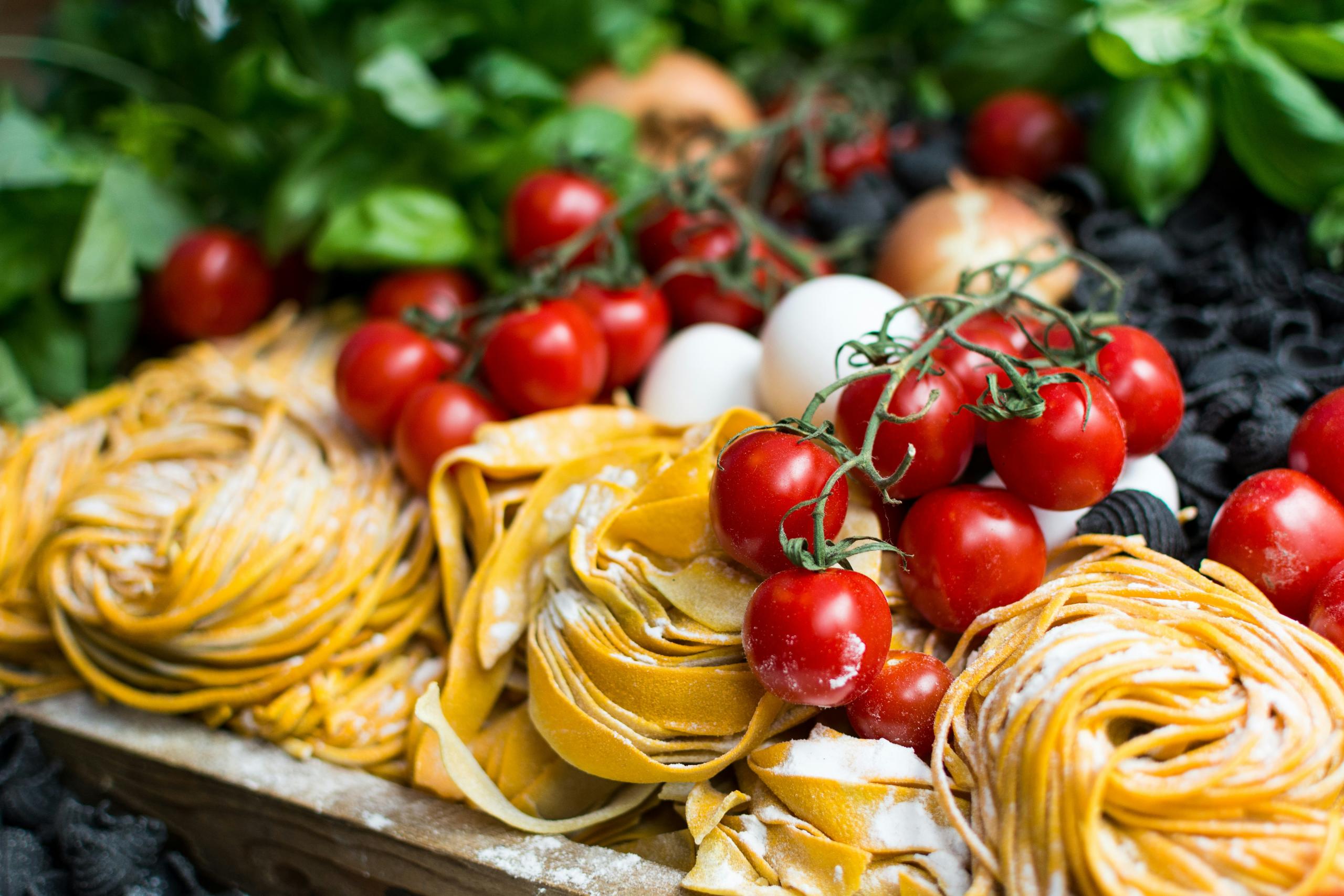
Italy has over 350 documented pasta shapes, each designed for specific sauces — the ridges of rigatoni trap chunky ragu, while the hollow spaghetti thickness carries oil-based sauces. Rome's "cacio e pepe" (pecorino, black pepper) and "amatriciana" (guanciale, tomato, pecorino) have only 3-4 ingredients each, making ingredient quality everything. Bologna's tagliatelle al ragu uses handmade egg pasta wide enough (8mm exactly, per regulation) to carry the slow-cooked meat sauce.
Where to eat: Roscioli (Rome) for cacio e pepe; Osteria Francescana (Modena, requires months of advance booking) for refined pasta; any sfogline (hand-rolled pasta makers) in Bologna's Quadrilatero market for fresh egg pasta.
Price range: EUR 8-16 for a pasta dish at a trattoria | EUR 20-45 at a fine dining restaurant.
3. Risotto
Northern Italy's answer to pasta — arborio or carnaroli rice slowly coaxed into a creamy, flowing consistency by adding hot broth ladle by ladle while stirring constantly. Risotto alla Milanese gets its golden colour from saffron and is traditionally served alongside ossobuco (braised veal shank). A proper risotto takes 18-20 minutes of uninterrupted stirring; shortcuts produce glue, not risotto.
Where to eat: Trattoria del Nuovo Macello (Milan) for classic saffron risotto; Da Vittorio (Brusaporto, Bergamo) for a Michelin-starred version; any good trattoria in Milan or Venice for daily fresh risotto.
Price range: EUR 10-18 at a trattoria | EUR 30-60 at fine dining.
4. Gelato
Gelato is churned slower and at lower air content than ice cream, producing a denser, silkier texture. Authentic gelato contains no artificial colours — bright unnatural pistachio green is a red flag. Look for shops displaying gelato in covered metal containers (not towering mounds in the display case). Seasonal flavours like fig, white peach, and chestnut indicate a shop making with real ingredients.
Where to eat: Gelateria dei Neri (Florence) for seasonal flavours; Giolitti (Rome, since 1900) for classic scoops near the Pantheon; Fiocco di Neve (Rome) for their legendary rice gelato.
Price range: EUR 2-4 for a small cone | EUR 3-6 for a cup with two scoops.
Pro tip: Ask for "un assaggio" (a taste) before committing. A gelateria that refuses is a tourist trap.5. Bistecca alla Fiorentina
A T-bone steak from the Chianina breed of cattle, cut at least 5cm thick, grilled over oak or charcoal at extreme heat until deeply charred outside and raw-to-rare inside. It is served unsauced, rested, seasoned with coarse salt and olive oil — nothing more. Ordering it well-done is genuinely considered an insult in Florence, and most restaurants will politely decline. Priced by weight (per 100g), a full steak for two typically runs 700-1000g.
Where to eat: Buca Mario (Florence, oldest restaurant in the city); Trattoria Mario (Florence) for a communal table experience; Il Latini (Florence) for noisy, abundant old-school bistecca.
Price range: EUR 50-90 for a full bistecca for two | EUR 4-6 per 100g.
6. Tiramisu
The original tiramisu from the Veneto region (specifically Treviso) is made with savoiardi biscuits soaked in espresso and marsala wine, layered with mascarpone cream and eggs, and dusted with cocoa. No cream, no alcohol substitutes, no fruit. The dessert was invented in the early 1970s and remains fiercely protected — a version with strawberries is not tiramisu, it is a misunderstanding.
Where to eat: Le Beccherie (Treviso) — the original restaurant where tiramisu was created; Cafe Florian (Venice) for an atmospheric setting; most good trattorias in Veneto serve an authentic version.
Price range: EUR 5-9 at a trattoria | EUR 12-18 at a fine restaurant.
7. Arancini
Sicily's iconic street food: golf-ball-to-fist-sized fried rice balls filled with meat ragu and peas (the classic), or spinach and béchamel, or ham and mozzarella. The name means "little oranges" — the saffron in the rice gives them their golden colour. Catania makes them conical (like Mount Etna); Palermo makes them round. The debate over shape is taken extremely seriously in Sicily.
Where to eat: Ke Palle (Palermo) for multiple creative fillings; Antica Focacceria San Francesco (Palermo, since 1834) for traditional Sicilian street food; street vendors outside markets in Catania and Palermo for the freshest morning arancini.
Price range: EUR 2-4 per arancino at street stalls.
8. Prosciutto di Parma & Parmigiano-Reggiano
These two products from the same province (Parma, Emilia-Romagna) represent the pinnacle of Italian cured food. Prosciutto di Parma is dry-cured for 12-36 months using only pork leg and salt — no nitrates, no smoke, no additives. Parmigiano-Reggiano is aged 12-36 months minimum, crumbling into crystalline shards of nutty, savoury complexity. Both carry DOP (Protected Designation of Origin) status — only made in a specific geographic area using traditional methods.
Where to eat: Salumeria Rosi (Rome) for perfect antipasto plates; Eataly (multiple Italian cities) for tasting flights; any salumeria (cured meat shop) in Parma or Bologna for the freshest slices.
Price range: EUR 8-15 for an antipasto platter.
9. Fresh Seafood
With 7,600 km of coastline, Italy's seafood culture is deep and regional: spaghetti alle vongole (clams, white wine, garlic) in Naples; branzino al sale (whole sea bass baked in a crust of salt) on the Amalfi Coast; fritto misto (mixed fried seafood) in Rome's Trastevere; bottarga (dried tuna or grey mullet roe) grated over pasta in Sardinia. In Italian restaurants, whole fish is often priced by weight — check before ordering.
Where to eat: Ristorante Il Posto Accanto (Naples) for vongole; Da Ivo (Venice, pricey but iconic) for grilled Adriatic fish; any harbour-side restaurant in Positano, Cinque Terre, or Sicily for morning-caught fish.
Price range: EUR 12-20 for pasta with seafood | EUR 30-60 for a whole grilled fish dinner.
10. Espresso & Italian Coffee
Italians drink espresso standing at the bar in under 90 seconds — it is fuel, not a leisurely experience. The shot should have a thick, reddish-brown crema on top and be drunk immediately before it oxidises. Cappuccino is strictly a morning drink (never after 11am — ordering one after lunch marks you as a tourist instantly). A "caffe" ordered in Italy is always an espresso unless specified otherwise.
Where to drink: Bar San Calisto (Rome, Trastevere) for a cheap perfect espresso with locals; Caffe Florian (Venice, since 1720) for the most historic setting; any bar away from tourist areas for the most authentic and cheapest coffee.
Price range: EUR 1-1.50 standing at the bar | EUR 2.50-5 seated at a table (the "service charge").
Book an Italian Food ExperienceCooking classes and market tours connect you directly with producers and techniques behind these dishes — many include hands-on pasta, pizza, or gelato making.
Browse Italy Food Tours on GetYourGuide | Italian Cooking Classes on Viator
Eating in Italy: Rules Worth Knowing
- Cuisine is hyper-regional: Roman pasta is not Bolognese pasta. Order local specialties, not what you know from home.
- Lunch is the main meal: Italians eat a full multi-course pranzo (lunch) 12:30-2:30pm. Dinner is often lighter.
- Avoid tourist menus near monuments: Any restaurant with photos on the menu and a host pulling you in from the street is a trap.
- Markets are the best food halls: Mercato Centrale (Florence), Mercato di Porta Palazzo (Turin), and Mercato di Testaccio (Rome) are excellent for cheap, authentic eating.
- Aperitivo culture: In Milan and northern cities, bars serve free snacks (sometimes a full buffet) with your evening drink from 6-9pm — a cheap way to eat dinner.