Japan is unlike anywhere else on earth. In two weeks you can stand at the summit of an active volcano, sleep in a 1,200-year-old Buddhist temple, eat world-class ramen at a counter with eight seats, watch cherry blossoms fall in Maruyama Park, and be home before you've recovered from the jet lag. This Japan 2-week itinerary is built for first-timers who want to experience the country's iconic highlights without rushing — and for repeat visitors who want a tighter, smarter route than last time.
The route covers Tokyo → Hakone → Kyoto → Nara → Osaka → Hiroshima, with practical day-by-day guidance: exact timings, what to book in advance, where to eat, where to stay, and how to keep costs under control. This is the route Japan deserves.
📋 Japan Quick Facts• Currency: Japanese Yen (JPY) — Japan is largely cash-based, carry enough
• Language: Japanese (English signage widely available in tourist areas)
• Best time to visit: March–April (cherry blossoms) and October–November (autumn foliage)
• Getting around: Shinkansen (bullet train), JR trains, Metro, walking
• Average daily budget: ¥8,000–¥18,000 per person (mid-range, excl. long-distance trains)
• Visa: Visa-free for 60+ nationalities for stays up to 90 days
✈️ Getting to Japan
Most international flights arrive at Tokyo Narita (NRT) or Tokyo Haneda (HND). Haneda is closer to central Tokyo (25 min by monorail) and is the preferred airport if you can find it at a comparable price. Osaka's Kansai International Airport (KIX) is the best entry point if you want to do the route in reverse (Osaka → Kyoto → Tokyo).
- Narita to central Tokyo: Narita Express N'EX (¥3,070, 60 min to Shinjuku) or Keisei Skyliner to Ueno (¥2,570, 41 min). Airport buses are cheaper (¥1,300) but slower.
- Haneda to central Tokyo: Tokyo Monorail to Hamamatsuchō (¥500, 18 min) or Keikyu Line to Shinagawa (¥300, 13 min).
- Best flight times: Spring and autumn are peak season — book flights 3–6 months in advance. Summer (July–August) is hot, humid, and expensive; winter is cold but the cheapest time to fly.
Compare hundreds of airlines across Tokyo Narita, Haneda, and Osaka Kansai — and lock in the best price for your travel dates.
Search Flights to Japan on Skyscanner →
🚅 The JR Pass — Do You Need One?
The Japan Rail Pass (JR Pass) is a flat-fee unlimited pass for JR-operated trains including most Shinkansen services. For a 2-week trip covering Tokyo–Kyoto–Osaka–Hiroshima, the maths usually favour buying one.
- 14-day JR Pass (Ordinary): approximately ¥50,000 (~€310)
- Tokyo ↔ Osaka Shinkansen return: ¥28,560 alone
- Add Hiroshima, Kyoto, Hakone (via JR Kodama): another ¥20,000+
- Verdict: If your itinerary includes this route, the JR Pass pays for itself.
Important: You must buy the JR Pass before arriving in Japan — it cannot be purchased in-country (or costs significantly more at select exchange counters). Activate it on your first day of train travel, not day 1 of your trip if you're staying in Tokyo first.
🚅 Buy Your JR Pass Before You Fly:Order online, receive your exchange order by post or email, and activate it at any major JR station on arrival. Fully refundable before first use.
Order Your JR Pass Online →
📅 The Full 14-Day Japan Itinerary
🗼 Days 1–4: Tokyo
Arrive in Tokyo with four days to decompress from the flight and absorb the world's most extraordinary city. Tokyo's scale can be overwhelming — anchor yourself in one or two neighbourhoods per day rather than trying to crisscross the city.
Day 1 — Arrive & Shinjuku
- Land and check in: Give yourself the afternoon to settle in. If arriving at Narita, the N'EX gets you to central Tokyo in about an hour.
- Shinjuku evening: Head to the observation deck of the Tokyo Metropolitan Government Building (free, open until 10:30 PM) for panoramic views. Then explore Omoide Yokocho (Memory Lane) — a narrow alley of tiny yakitori skewer bars that still feels like 1950s Tokyo.
- Dinner: Ramen at one of Shinjuku's ramen streets. Budget ¥900–¥1,200.
Day 2 — Shibuya, Harajuku & Omotesando
- 9:00 AM — Meiji Shrine in Harajuku: a vast forested Shinto shrine a 10-minute walk from Harajuku Station. Peaceful even on weekends. Free entry.
- 11:00 AM — Takeshita Street, Harajuku: absurd fashion, crepe stalls, and the most concentrated street style in Japan. A 15-minute experience.
- 12:00 PM — Walk down Omotesando: Tokyo's most elegant boulevard, lined with flagship architecture. Window-shop the Prada, Louis Vuitton, and Comme des Garçons stores designed by world-famous architects.
- 2:00 PM — Shibuya: arrive for the famous Shibuya Crossing — the busiest pedestrian intersection on earth. Watch from the Starbucks window for free, or pay ¥2,000 to ascend Shibuya Sky for the best aerial view in Tokyo.
- 6:00 PM — Dinner in Shibuya or Ebisu (a 15-minute walk south): the latter is quieter, more local, and has some of Tokyo's best izakayas.
Day 3 — Asakusa, Ueno & Akihabara
- 8:30 AM — Senso-ji Temple in Asakusa: Tokyo's oldest and most photographed temple. Arrive before 9 AM to experience it without the crowds. The Nakamise shopping street leading to the temple gates is lined with traditional crafts and snacks.
- 10:30 AM — Ueno Park: walk through the park to the Tokyo National Museum (¥1,000) — the largest collection of Japanese art in the world. Or browse the street stalls if it's a weekend.
- 2:00 PM — Akihabara: Tokyo's electronics and anime district, three Metro stops from Ueno. Even if you're not into gaming, it's a genuinely extraordinary place to walk around for an hour.
- Evening — Tokyo Skytree (¥2,100–¥3,100): the tallest structure in Japan. Book online to avoid queues. Stunning at dusk.
Day 4 — Tsukiji, Teamlab & Odaiba (or Day Trip)
- 7:00 AM — Tsukiji Outer Market: the world-famous tuna auctions moved to Toyosu, but the outer market remains brilliant — tamagoyaki, fresh seafood, sushi breakfasts, and knife shops. Go early.
- 10:00 AM — teamLab Planets or teamLab Borderless (reopening 2024–2025 in Azabudai): immersive digital art installations that are genuinely unlike anything else. Book at least 2 weeks ahead — they sell out. ¥3,200.
- Afternoon — Odaiba: a futuristic artificial island with the Rainbow Bridge, retro arcade centres, and views back to central Tokyo. A good afternoon for walking and getting a feel for the city's scale.
- Alternative: Use Day 4 for a Nikko day trip (2.5 hours from Shinjuku by JR): elaborately decorated Tosho-gu shrine complex in a mountain cedar forest — one of Japan's most spectacular UNESCO sites.
From teamLab digital art bookings to Tsukiji morning tours, Shinjuku food walks, and robot restaurants — book the best Tokyo experiences before they sell out.
Browse Tokyo Tours on GetYourGuide → 🏨 Find Hotels in Tokyo:
Compare capsule hotels, boutique ryokans, business hotels, and luxury options across Shinjuku, Shibuya, Asakusa, and Ginza.
Browse Tokyo Hotels on Booking.com →
🗻 Days 5–6: Hakone
Take the JR Odakyu Romancecar or Shinkansen to Hakone, a volcanic resort region 90 minutes from Tokyo. Hakone's reason to exist is one word: Fuji. On a clear day, the view of Mt. Fuji across Lake Ashi is one of Japan's defining images.
Day 5 — Arrive Hakone, Open-Air Museum
- Morning: Travel from Tokyo to Odawara by Shinkansen (30 min, covered by JR Pass), then switch to the Hakone Tozan Railway — a switchback mountain railway that climbs through cedar forest.
- Afternoon: Hakone Open-Air Museum (¥1,600): an extraordinary sculpture park on a hillside with works by Rodin, Picasso, Henry Moore, and contemporary artists — set against the mountain backdrop. Allow 2–3 hours.
- Evening: Check into a ryokan (traditional inn) with an onsen (hot spring). This is a non-negotiable Japan experience. Dinner is typically included as a multi-course kaiseki meal.
Day 6 — Mt. Fuji Views & Lake Ashi
- Morning: Take the Hakone Ropeway over the volcanic Owakudani sulphur vents — lunar landscape with hot springs bubbling below. Clear days reveal Fuji perfectly framed.
- Late morning: Board the Lake Ashi pirate ship (covered by Hakone Free Pass) for a cruise with Fuji in the background — tourist, but genuinely spectacular on a clear day.
- Afternoon: Transfer to Kyoto via Shinkansen from Odawara (2 hrs 20 min to Kyoto, covered by JR Pass). Arrive by evening.
If visiting in summer, an optional Fuji climb from Hakone takes 2 days (1 night on the mountain). The summit is 3,776m. Climbing season is July 1 – September 10. A conservation fee of ¥2,000 and trail registration are required on the Yoshida Trail (most popular). Book mountain hut accommodation months in advance.
⛩️ Days 7–9: Kyoto
Kyoto was Japan's imperial capital for over 1,000 years and contains more UNESCO World Heritage Sites per square kilometre than anywhere on earth. This is the spiritual and cultural heart of Japan — slow down here.
Day 7 — Arashiyama & West Kyoto
- 7:30 AM — Arashiyama Bamboo Grove: arrive at sunrise (no gates — it's open all night) to experience the bamboo forest before 200 tour groups arrive. By 9 AM it is genuinely packed.
- 9:00 AM — Tenryu-ji Temple (¥500 garden only, ¥800 with interior): a Zen garden framed by the Arashiyama mountain. One of Japan's most beautiful designed landscapes.
- 10:30 AM — Walk the quiet lanes of Sagano to Jojakko-ji Temple: a mossy, steeply terraced hillside temple almost nobody visits. Free to walk to.
- Afternoon — Ryoan-ji Temple (¥600): the world's most famous Zen rock garden — 15 stones arranged so that you can never see all 15 at once, regardless of where you stand. Meditate on that.
- Evening — Dinner in Nishiki Market neighbourhood — Kyoto's "kitchen," a narrow covered market running five blocks through the city centre.
Day 8 — Fushimi Inari, Gion & Kiyomizudera
- 6:00 AM — Fushimi Inari Shrine: the path of 10,000 vermillion torii gates climbing Mt. Inari. Go at dawn. The lower gate tunnel is crowded by 9 AM; the upper mountain paths above the first two stations are peaceful at any hour. Full ascent is 2–3 hours return.
- 10:00 AM — Kiyomizudera Temple (¥500): Kyoto's most iconic temple, built on a hillside with a wooden stage that juts out over the treetops. Arrive before 10:30 AM before tour groups arrive.
- 12:00 PM — Walk through Ninenzaka and Sannenzaka: preserved Edo-period stone-paved lanes lined with tea houses, matcha shops, and pottery. Kyoto at its most photogenic.
- 3:00 PM — Gion district: Kyoto's geisha quarter. Wander Hanamikoji Street at dusk — if you're there between 5–7 PM, you may glimpse a geiko (Kyoto geisha) hurrying to an engagement. Respect is mandatory; photography without consent is not welcomed.
- Evening — Pontocho Alley for dinner: a narrow riverside lane of restaurants with traditional machiya architecture. Mid-range kaiseki tasting menus from ¥4,000.
Day 9 — Nishiki Market, Philosopher's Path & Day-trip to Nara
- Morning — Philosopher's Path: a 2km canal-side walk connecting Ginkaku-ji (Silver Pavilion, ¥500) to Nanzen-ji (free). The most beautiful walk in Kyoto during cherry blossom season (late March/early April) and autumn foliage (November).
- Afternoon — Nara day trip (45 min by JR from Kyoto, covered by JR Pass): see the giant Buddha at Todai-ji (¥600) and feed the 1,200 semi-wild deer that roam Nara Park freely. Deer crackers ¥250. Buy them fast — the deer are persistent.
- Evening — Return to Kyoto. Evening free walk through Higashiyama — the temple district is magical at dusk, with stone lanterns lighting the paths between shrines.
Private geisha district walking tours, Fushimi Inari sunrise hikes, sake brewery visits, and tea ceremony experiences — book before they sell out.
Browse Kyoto Tours on GetYourGuide → 🏨 Find Hotels in Kyoto:
From traditional machiya guesthouses and ryokan to modern hotels near Gion and Kyoto Station — compare options for your dates.
Browse Kyoto Hotels on Booking.com →
🐙 Days 10–11: Osaka
Osaka is everything Kyoto is not — loud, brash, neon-lit, and gloriously obsessed with food. It takes just 15 minutes by Shinkansen from Kyoto (or 14 minutes by Thunderbird express). Osaka is Japan's kitchen and its most entertaining city.
Day 10 — Dotonbori, Shinsekai & Street Food
- 10:00 AM — Osaka Castle (¥600): the city's most famous landmark. The castle itself is a 1930s reconstruction with a good museum inside, but the surrounding park is beautiful and free.
- 1:00 PM — Shinsekai: a retro 1950s entertainment district that time partially forgot. Try kushikatsu (breaded and deep-fried skewers) — Osaka's signature street food. Golden rule: never double-dip in the shared sauce.
- 4:00 PM — Dotonbori: the neon heart of Osaka. Glico Running Man sign, giant crab claw, takoyaki (octopus balls) stalls every 10 metres. Walk the canal at dusk for the full sensory overload.
- Evening — Kuromon Ichiba Market: Osaka's "Kuromon Market" is 170+ stalls selling fresh seafood, wagyu, tropical fruit, and street snacks. The evening is when vendors discount remaining stock — excellent eating at excellent prices.
Day 11 — Universal Studios Japan or Day Trip to Kobe
- Option A — Universal Studios Japan: One of the world's best theme parks. The Wizarding World of Harry Potter, Super Nintendo World, and Minion Park are the highlights. Buy Express Passes online in advance (¥4,800–¥9,800) to avoid 2-hour queue times. Full-day experience.
- Option B — Kobe day trip (30 min from Osaka): A sophisticated port city with the best beef in the world (authentic Kobe beef teppanyaki, from ¥8,000), a historic foreign settlement, and the Kitano district of preserved Meiji-era Western architecture.
- Evening — Return to Osaka for a final food crawl through Namba. Try: takoyaki, okonomiyaki (savoury pancake), negiyaki, and — inevitably — ramen.
Universal Studios Express Passes, Osaka Aquarium tickets, and the best food tours in Dotonbori — book before they sell out.
Browse Osaka Experiences on GetYourGuide → 🏨 Find Hotels in Osaka:
Stay in Namba, Shinsaibashi, or near Osaka Station — compare hostels, business hotels, and traditional guesthouses for every budget.
Browse Osaka Hotels on Booking.com →
☮️ Days 12–13: Hiroshima & Miyajima Island
Hiroshima is one of the most emotionally significant places in the world — and one of the most beautiful cities in Japan. The 90-minute Shinkansen ride from Osaka is covered by the JR Pass.
Day 12 — Hiroshima Peace Memorial
- 9:00 AM — Peace Memorial Park: the A-Bomb Dome (Genbaku Dome) — the only structure left standing near the hypocentre — and the surrounding park are free to visit. Allow time to sit, reflect, and read the inscriptions.
- 10:00 AM — Hiroshima Peace Memorial Museum (¥200): one of the most important museums in the world. The exhibits are deeply moving but never exploitative. Allow 2–3 hours. Do not rush this.
- Afternoon — Shukkeien Garden (¥260): a 400-year-old strolling garden with a central lake. One of Japan's finest surviving traditional gardens, 10 minutes from the Peace Park.
- Evening — Try Hiroshima-style okonomiyaki: the local variation of Japan's savoury pancake, built in layers (not mixed) with noodles inside. A famous regional dish with its own dedicated restaurant district, Okonomi-mura.
Day 13 — Miyajima Island
- 8:00 AM — Tram to Hiroden Miyajimaguchi then JR ferry to Miyajima Island (ferry covered by JR Pass). Best to arrive before 9 AM — the island receives 3–4 million visitors annually and the famous torii gate is transformative at low tide.
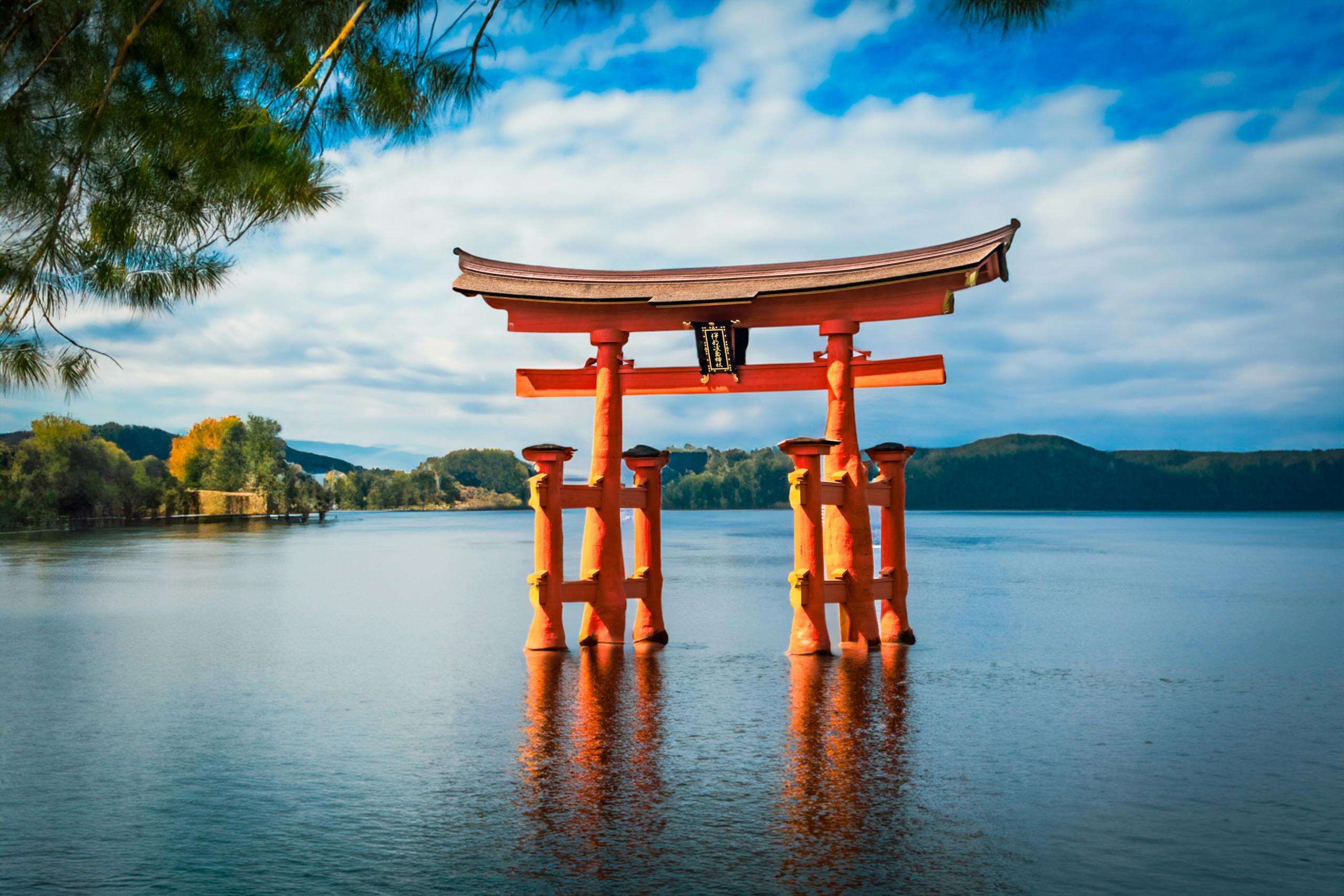
- 9:00 AM — Itsukushima Shrine (¥300): the "floating" shrine built on stilts in the sea. At high tide the torii gate and shrine appear to float. Check tide tables in advance — both high and low tide views are spectacular but different.
- 10:30 AM — Hike to Mount Misen (535m): Japan's most sacred mountain. Cable car (¥1,000 one-way) gets you most of the way; 30-minute walk to the summit. Views across the Seto Inland Sea to Hiroshima city on clear days.
- Afternoon — Explore the island on foot. Feed the free-roaming deer (they are more polite than Nara's). Try momiji manju — maple-leaf shaped cakes filled with red bean paste, Miyajima's signature confection.
- Evening — Return to Hiroshima or take the Shinkansen back toward Tokyo (6 hrs direct, covered by JR Pass) to position yourself for the final day.
Peace Memorial guided tours, private Miyajima sunset experiences, and day trips to the Seto Inland Sea islands — browse the best options.
Browse Hiroshima Experiences on GetYourGuide →
🗼 Day 14: Return to Tokyo & Depart
- Morning: Shinkansen from Hiroshima to Tokyo takes ~4 hours (Nozomi) or ~5.5 hours (Hikari, covered by JR Pass). Depart by 8 AM to have the afternoon in Tokyo.
- Afternoon: Use remaining time in Tokyo for shopping in Ginza or Shibuya, a final ramen lunch, or a last visit to Senso-ji before your flight.
- Airport transfer: Allow 2 hours to reach Narita (N'EX departs Shinjuku), 1.5 hours to Haneda. Factor in Shinkansen arrival time from Hiroshima — this day requires careful timing.
Days 1–4: Tokyo (Shinjuku, Shibuya, Asakusa, Harajuku, Odaiba)
Days 5–6: Hakone (ryokan, Owakudani, Lake Ashi, Mt. Fuji views)
Days 7–9: Kyoto (Arashiyama, Fushimi Inari, Kiyomizudera, Gion, Philosopher's Path)
Day 9 afternoon: Nara day trip (Todai-ji, deer park)
Days 10–11: Osaka (Dotonbori, Shinsekai, Universal Studios or Kobe)
Days 12–13: Hiroshima & Miyajima Island
Day 14: Return to Tokyo → depart
🍜 Japan Food Guide — What to Eat in 2 Weeks
Japan has the most Michelin stars of any country on earth. It also has the best convenience store food in the world. Here is what to eat, where, and how much to budget.
- Ramen: Japan's most iconic dish varies dramatically by region. Tokyo: shoyu (soy) broth. Sapporo: miso and butter. Hakata (Fukuoka): tonkotsu (pork bone). Budget ¥900–¥1,500.
- Sushi: A conveyor belt (kaiten) sushi meal is excellent and costs ¥1,500–¥3,000. A seat at a 10-person omakase counter starts at ¥10,000. Both are worth experiencing at least once.
- Yakitori: Charcoal-grilled chicken skewers at tiny counter bars. Best eaten with cold Japanese beer. ¥150–¥300 per skewer.
- Okonomiyaki: Savoury pancake cooked at your table. Hiroshima and Osaka styles are both excellent and completely different.
- Tempura: Light-battered seafood and vegetables, served with dipping sauce. Tokyo's Kanda district has the oldest and best tempura restaurants.
- Onigiri (7-Eleven or Lawson): A rice triangle with filling — tuna mayo, salmon, pickled plum — for ¥130. One of the world's great convenience foods. Eat them daily.
- Matcha everything: Kyoto's Uji region produces Japan's finest matcha. Budget for at least one matcha parfait (¥700–¥1,200) and a full tea ceremony experience.
🏨 Where to Stay in Japan — Accommodation by City
Tokyo
Shinjuku — best transport links, close to everything, suits all budgets. Asakusa — traditional feel, near Senso-ji, slightly cheaper. Shibuya — young, vibrant, good for nightlife. First-timers: stay in Shinjuku.
Hakone
A ryokan is the only logical choice. Dinner and breakfast are usually included (called ippaku-nishoku). Budget ¥15,000–¥40,000 per person per night. Book months in advance for cherry blossom and autumn seasons.
Kyoto
Gion for atmosphere, Downtown (Kawaramachi) for central access to Nishiki Market, Kyoto Station area for Shinkansen convenience. Machiya townhouse guesthouses give the most authentic experience.
Osaka
Namba and Shinsaibashi for food and nightlife access. Umeda (near Osaka Station) for transport. Business hotels in Osaka offer excellent value — often ¥8,000–¥12,000 per night for a clean, well-located room.
🏨 Book Japan Accommodation:Compare ryokans, capsule hotels, machiya guesthouses, and city hotels across all Japanese cities for your dates.
Browse Japan Hotels on Booking.com →
💴 Japan 2-Week Budget Breakdown
| Expense | Budget (¥) | Mid-range (¥) |
|---|---|---|
| JR Pass (14-day) | ¥50,000 | ¥50,000 |
| Accommodation (13 nights) | ¥5,000–¥8,000/night | ¥12,000–¥20,000/night |
| Food (daily) | ¥2,000–¥3,500 | ¥4,000–¥7,000 |
| Attractions (total) | ¥8,000 | ¥20,000 |
| Local transport (Metro, buses) | ¥5,000 | ¥8,000 |
| Estimated total (excl. flights) | ¥165,000–¥200,000 | ¥290,000–¥390,000 |
At mid-2026 exchange rates, ¥200,000 ≈ €1,200. Japan is no longer the cheap destination it was a decade ago, but it offers extraordinary value for the quality — especially for food.
📅 Best Time to Visit Japan
- Cherry Blossom (Late March – Early April): The most famous time to visit. Sakura peaks in Tokyo around March 25–April 5 and in Kyoto a few days later. Accommodation prices surge — book 6+ months in advance.
- Autumn Foliage (Mid-October – Late November): Arguably even more beautiful than cherry blossom season. Kyoto and Nikko turn crimson and gold. Fewer crowds than spring. The best-kept secret for first-timers.
- May and June: Post-cherry blossom drop in prices, warm weather, early June has some rain but the hydrangeas in Kamakura and Hakone are spectacular.
- Summer (July–August): Hot (35°C+) and extremely humid. Prices peak in mid-August around Obon. Not recommended unless you have specific reasons (Fuji climbing season, summer festivals).
- Winter (December–February): Cold and dry in most of Japan. Kyoto and Tokyo are beautiful with occasional snow. Cheapest time to fly and book hotels. Onsen (hot springs) in Hakone and Nikko are at their most appealing.
💡 Essential Japan Travel Tips
- Cash is king: Japan remains heavily cash-based. 7-Eleven and Japan Post ATMs accept international cards (most others don't). Withdraw ¥30,000–¥50,000 at airport arrival to cover the first few days.
- IC Card (Suica or Pasmo): Load a rechargeable IC card at any train station on arrival. It works on almost all urban trains, buses, and can be used to pay at convenience stores. Saves buying individual tickets.
- Pocket Wi-Fi or SIM: Pocket Wi-Fi devices or data SIM cards are available for pickup at the airport. Essential for navigation — Google Maps offline Japan works well but a data connection is much more useful.
- Convenience stores (konbini): 7-Eleven, FamilyMart, and Lawson are open 24/7 and sell excellent onigiri, sandwiches, hot food, alcohol, and stationery. They are genuinely useful — embrace them.
- Shoe etiquette: Remove shoes before entering traditional accommodations, many restaurants, and temples. Slip-on shoes make this significantly easier.
- Quiet on trains: Phone calls on trains are considered rude. Switch to silent mode before boarding. Eating on local trains (not Shinkansen) is also frowned upon.
- Tipping: Tipping is not practised in Japan and can cause confusion or embarrassment. Excellent service is the standard everywhere — and it's included.
Compare flights from your nearest airport and browse hotels across all cities on this itinerary.
Find Flights to Japan on Skyscanner → | Browse Japan Hotels on Booking.com → 🔗 More Japan Planning Resources
• Japan Visa Guide — Do You Need One?
• Japan Travel Budget Guide
• Japan Packing List
• Trip Budget Calculator
• Visa Requirements Checker
• Best Foods to Try in Tokyo
*Some links on this page are affiliate links. If you book through them, we may earn a small commission at no extra cost to you. This helps us keep the site free and the guides coming.