Loading destination…
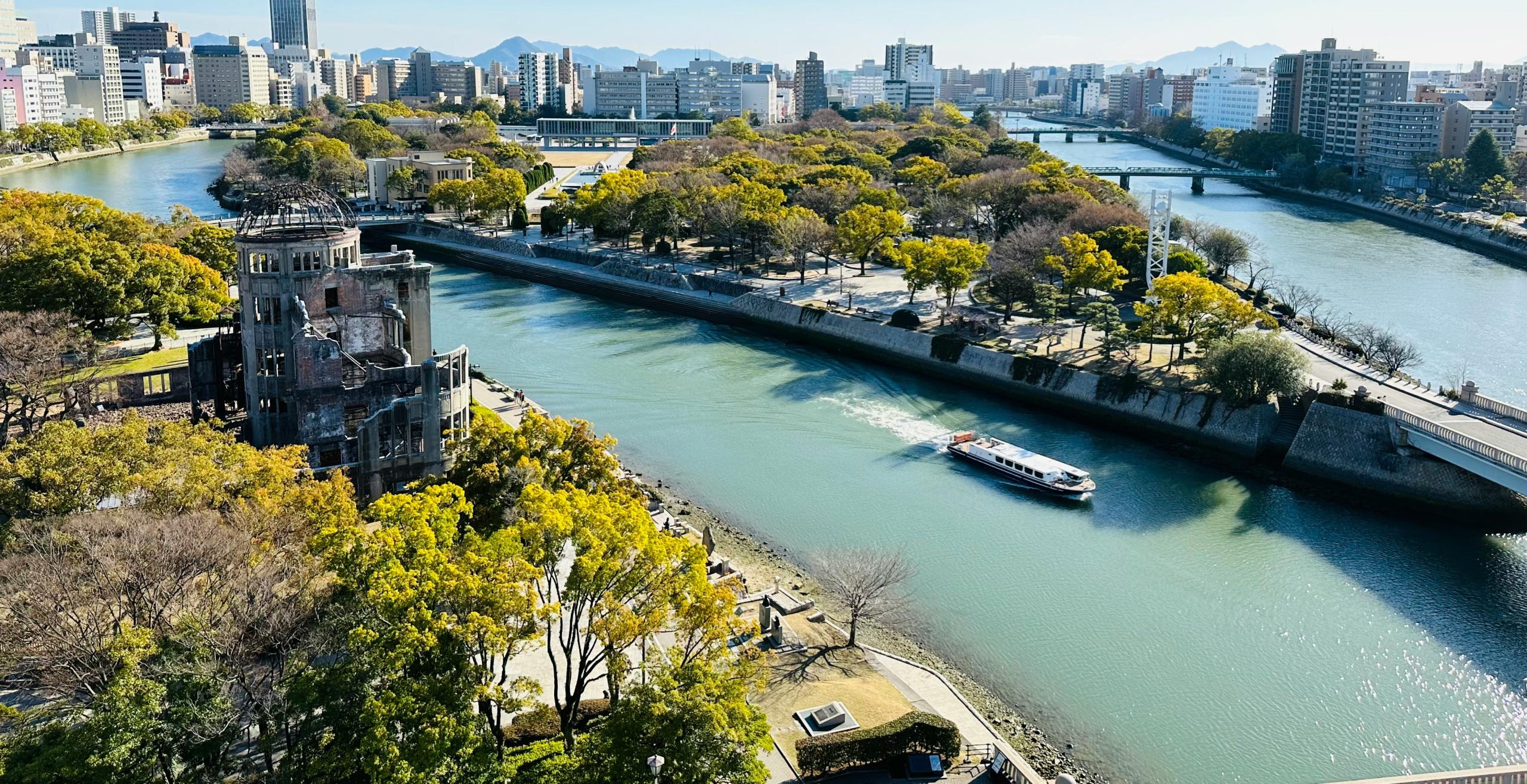
Hiroshima, rebuilt from the ashes of the world’s first atomic bomb attack in August 1945, stands today as a powerful symbol of peace and resilience. Beyond its deeply moving memorials, Hiroshima is a vibrant modern city with outstanding cuisine, beautiful gardens, and easy access to sacred Miyajima Island — one of Japan’s most photographed landscapes.
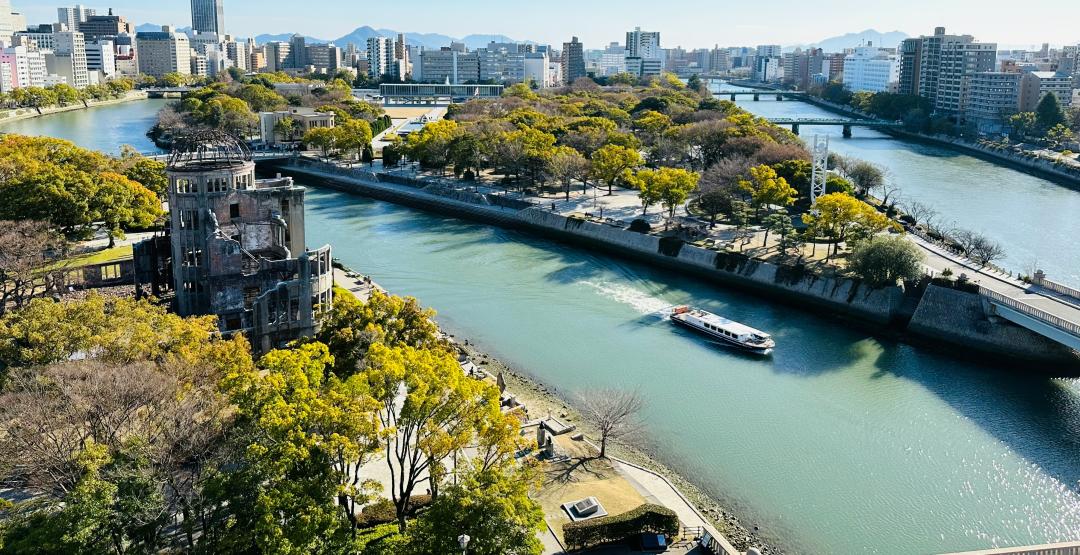
A UNESCO World Heritage Site and the emotional heart of Hiroshima, dedicated to all victims of nuclear war. The A-Bomb Dome (Genbaku Dome) — the skeletal ruin left standing near the blast hypocenter — stands as a permanent symbol of the city’s history and hope for peace.
A profoundly moving museum detailing the events of August 6, 1945, through photographs, artefacts, and personal testimonies. One of the most important and impactful museums in the world, essential for understanding 20th-century history.
One of Japan’s three ‘views of beauty’ — a sacred island home to the iconic floating torii gate of Itsukushima Shrine, which appears to rise from the sea at high tide. Also known for friendly deer, the local momiji manju cakes, and forested hiking trails.
Reconstructed after the atomic bomb destroyed the original 1589 fortress. The castle now houses a museum on Hiroshima’s pre-war feudal history. The grounds and moat are beautifully scenic, especially during cherry blossom season.
A traditional Japanese stroll garden dating to 1620, designed around a central pond with miniature representations of famous landscapes. A serene and contemplative space, particularly beautiful in spring and autumn.