Loading destination…
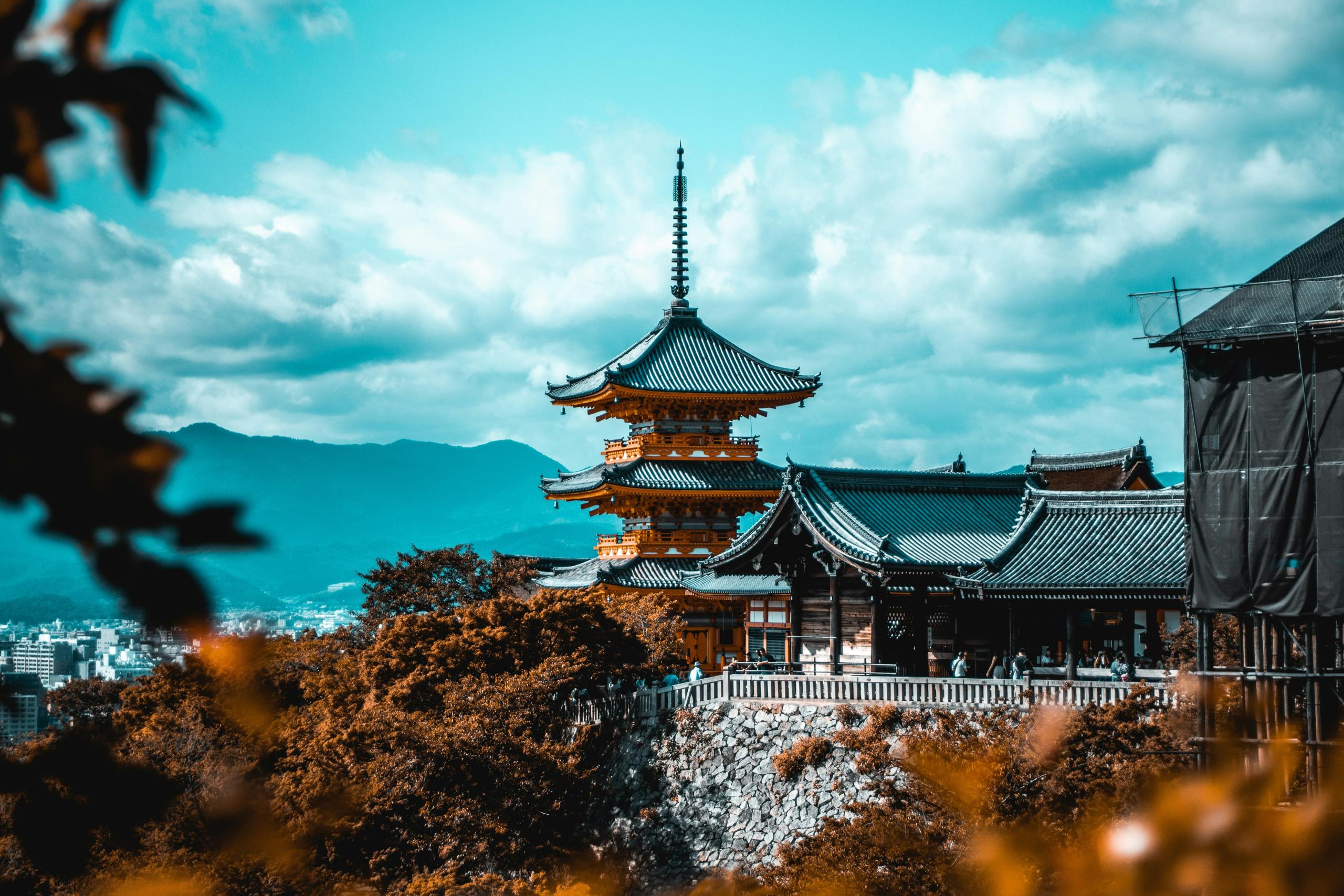
Kyoto, Japan’s ancient imperial capital for over 1,000 years, is home to more than 1,600 Buddhist temples, 400 Shinto shrines, and 17 UNESCO World Heritage Sites. Walk its historic streets to find maiko geisha, traditional machiya townhouses, and some of the world’s most beautiful zen gardens. Best visited in spring for cherry blossoms or autumn for fiery maple foliage.
Kyoto’s most visited site — thousands of vibrant vermilion torii gates wind 4 km up Mt. Inari. The lower trails are crowded but the upper forest paths offer peaceful solitude. Open 24 hours; dawn and evening visits are magical.
Kyoto’s most iconic landmark — a Zen Buddhist temple whose top two floors are completely covered in gold leaf, perfectly reflected in the surrounding Mirror Pond. Originally built as a shogun’s retirement villa in 1397, it is now a UNESCO World Heritage Site.
A breathtaking walkway flanked by towering bamboo stalks, creating an ethereal green canopy on Kyoto’s western outskirts. Best explored early morning before crowds arrive. Combine with Tenryu-ji Temple’s UNESCO garden and a boat ride on the Hozu River.
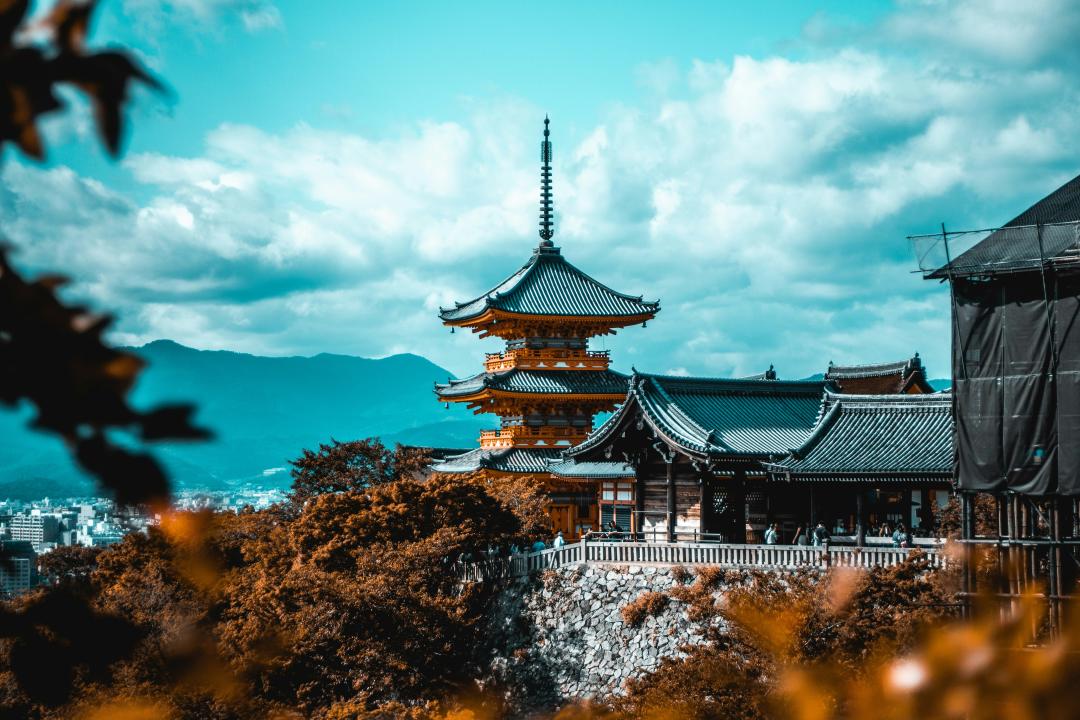
A UNESCO-listed temple dramatically built on a wooden stage over Higashiyama’s forested hillside, offering sweeping views over Kyoto. The main hall was constructed without a single nail. Spectacular during cherry blossom and autumn foliage seasons.
Kyoto’s historic geisha quarter, lined with beautifully preserved wooden machiya townhouses and traditional ochaya tea houses. Hanamikoji Street is the best spot for an evening stroll — you may catch a glimpse of a geiko or maiko heading to an engagement.
Built in 1603 as the Kyoto residence of the Tokugawa shoguns, featuring famous ‘nightingale floors’ designed to squeak as a security alarm. The ornate Ninomaru Palace interiors and stroll gardens are outstanding. A UNESCO World Heritage Site.
A 2 km stone path alongside a cherry-tree-lined canal, connecting Ginkaku-ji (Silver Pavilion) to Nanzen-ji Temple. Named after philosopher Nishida Kitaro who walked it daily. One of Japan’s most beloved walks, especially magical during sakura season.
Home to Japan’s most celebrated zen rock garden — 15 stones arranged in raked white gravel, designed so that no more than 14 are visible from any single angle. A UNESCO World Heritage Site of profound simplicity and contemplation.
Kyoto’s five-block covered market, nicknamed ‘Kyoto’s Kitchen,’ with over 100 vendors selling pickled vegetables, fresh tofu, matcha sweets, and local Kyoto specialities. An essential street food and culture experience in the heart of the city.