
Australia is a continent, not a country trip — and that's the single biggest planning mistake first-timers make. Sydney to Perth is further than London to Moscow. Trying to "do the whole map" in two weeks means four hours in every airport and real time in none of the places you flew across the world to see. The trick isn't covering more ground; it's choosing the right ground.
This 14-day Australia itinerary covers the country's five unmissable highlights — Sydney, the Great Barrier Reef, Melbourne, the Great Ocean Road, and Uluru — in an order that respects how domestic flights and drive times actually connect, instead of forcing a lap of the entire continent. Below is the full day-by-day route, plus costs, visa rules, safety advice, and where to stay at every stop. Prefer a fully customizable version? Our free 14-Day Australia Itinerary tool lets you swap cities and days, and the Australia country guide has deeper detail on every region if you want to build your own route from scratch.
Australia 14-Day Itinerary Quick Facts
Capital: Canberra • Currency: Australian Dollar (AUD)
Language: English • Time zone: AEST/AEDT (UTC+10/+11), varies by state
Best time to visit: September–November & March–May • Recommended stay: 14–30 days
Average daily budget: AUD 80–300+ per person depending on travel style
🧭 Why This Route Works (and Why We Skip Perth, Adelaide & Hobart)
Australia's domestic flight network radiates out from the east coast, so this itinerary sticks to a single loose line down the eastern seaboard plus one flight inland — Sydney → Cairns → Melbourne → the Great Ocean Road → Uluru — rather than chasing every state capital. Perth, Adelaide, and Hobart are each genuinely worth a trip, but they sit thousands of kilometres off this route: adding any of them to a 14-day plan means trading a real, unhurried stop somewhere else for a red-eye flight and a rushed overnight.
If you'd rather build a shorter trip or swap in a different mix of cities, our free 7-Day Australia Itinerary and 14-Day Australia Itinerary tools let you customize the route destination-by-destination, including Perth, Adelaide, Hobart, and Brisbane.
📅 Best Time to Visit Australia for This Itinerary
Australia is enormous enough that "best time to visit" genuinely depends on which regions you're combining. This route threads together the east coast, the tropical north, and the desert interior, so the sweet spot is September–November (spring) or March–May (autumn) — both keep Sydney and Melbourne mild, the Red Centre dry and comfortable, and the reef season calm.
| Region | Best months | Why |
|---|---|---|
| Sydney & Melbourne | Sep–Nov & Mar–May | Mild temperatures (15–25°C), fewer crowds than summer |
| Cairns & the Great Barrier Reef | Jun–Oct | Dry season, calm seas, best underwater visibility |
| Great Ocean Road | Dec–Feb & Mar–Apr | Warmest, longest days for the coastal drive |
| Uluru & the Red Centre | Apr–Sep | Mild, dry winter; summer can exceed 45°C |
| Whole-route avoid | Dec–Mar (far north) | Wet/cyclone season in tropical Queensland |
For a full month-by-month breakdown, see our Best Time to Visit Australia guide.
✈️ Getting to Australia & Getting Around
Most international flights land at Sydney Kingsford Smith Airport (SYD), with major hubs also at Melbourne (MEL), Brisbane (BNE), and Perth (PER). Compare fares from your home airport with our flight search tool.
Within Australia, this route runs almost entirely on domestic flights, with two shorter road/rail legs:
- Sydney → Cairns: ~3-hour direct flight (Qantas, Jetstar, Virgin Australia all fly this route multiple times daily).
- Cairns → Melbourne: ~3.5-hour direct flight.
- Melbourne → Great Ocean Road: ~2-hour drive to Torquay, the start of the road; a rental car is the only practical way to do this stretch, since public transport along the coast is limited.
- Melbourne → Uluru (Ayers Rock, AYQ): ~3-hour direct flight; Ayers Rock Airport is a short shuttle from most accommodation in Yulara, the only town near the rock.
Inside each city, Sydney and Melbourne both have excellent public transport (Opal card in Sydney, myki in Melbourne) — a car is unnecessary and often a hassle in either CBD. Cairns and Yulara are compact and easily walkable or shuttle-served; the Great Ocean Road is the one genuine road-trip leg of this itinerary.
🗓️ The Full 14-Day Australia Itinerary
Days 1–4: Sydney — Harbour, Beaches & the Blue Mountains
Sydney rewards a full four days: enough time for the harbour icons, a proper beach afternoon, and a day trip into the mountains without feeling rushed.
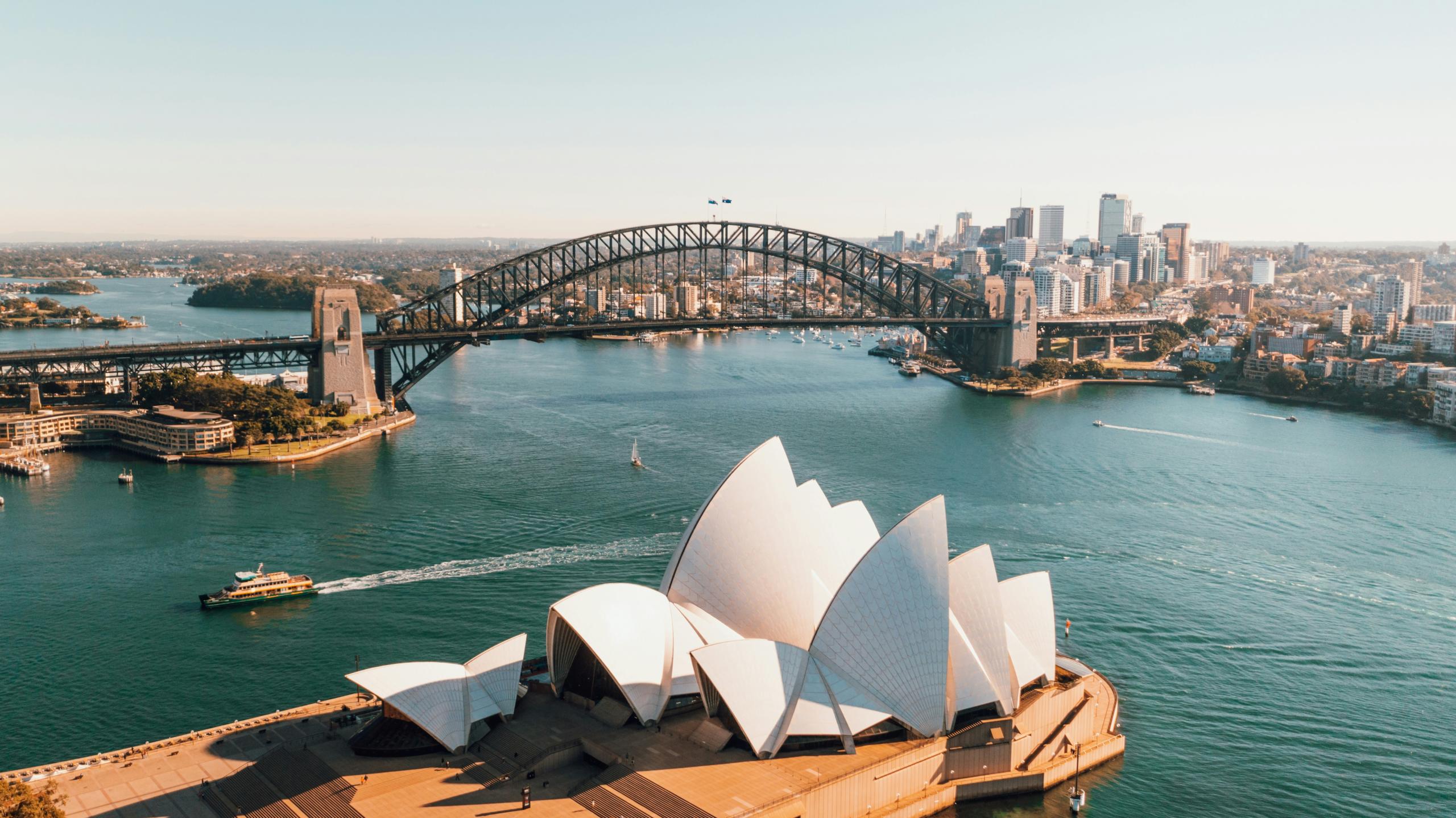
Day 1 — Arrival & the Harbour: Check in and head straight to Circular Quay for your first look at the Sydney Opera House and Sydney Harbour Bridge. Walk through The Rocks, Sydney's historic waterfront district, for dinner with a harbour view.
Day 2 — Opera House & Bondi: Take a guided tour inside the Opera House in the morning, then head to Bondi Beach for the afternoon — swim, surf a lesson, or just watch the famous morning-swim crowd. If you have energy left, walk the scenic Bondi to Coogee coastal path.
Day 3 — Blue Mountains Day Trip: Head roughly 90 minutes west to the Blue Mountains, famous for the Three Sisters rock formation, eucalyptus-blue haze, and dramatic lookouts over the Jamison Valley. Take the Scenic Skyway or Scenic Railway down into the valley floor for a different perspective, then return to Sydney for the evening.
Day 4 — Harbour Adventure & Free Day: Try kayaking in Sydney Harbour for a paddle-level view of the Opera House and Bridge, or take the ferry to Manly Beach for a lower-key beach afternoon. Fly to Cairns in the evening.
See our full Sydney city guide for more attractions if you have extra time before flying north.
Days 5–7: Cairns & the Great Barrier Reef
Day 5 — Arrival & Great Barrier Reef Day Trip: Land in Cairns and, if your flight timing allows, join an afternoon reef cruise, or rest and book a full-day trip for tomorrow — boats typically leave early (7–8am) and return mid-afternoon.
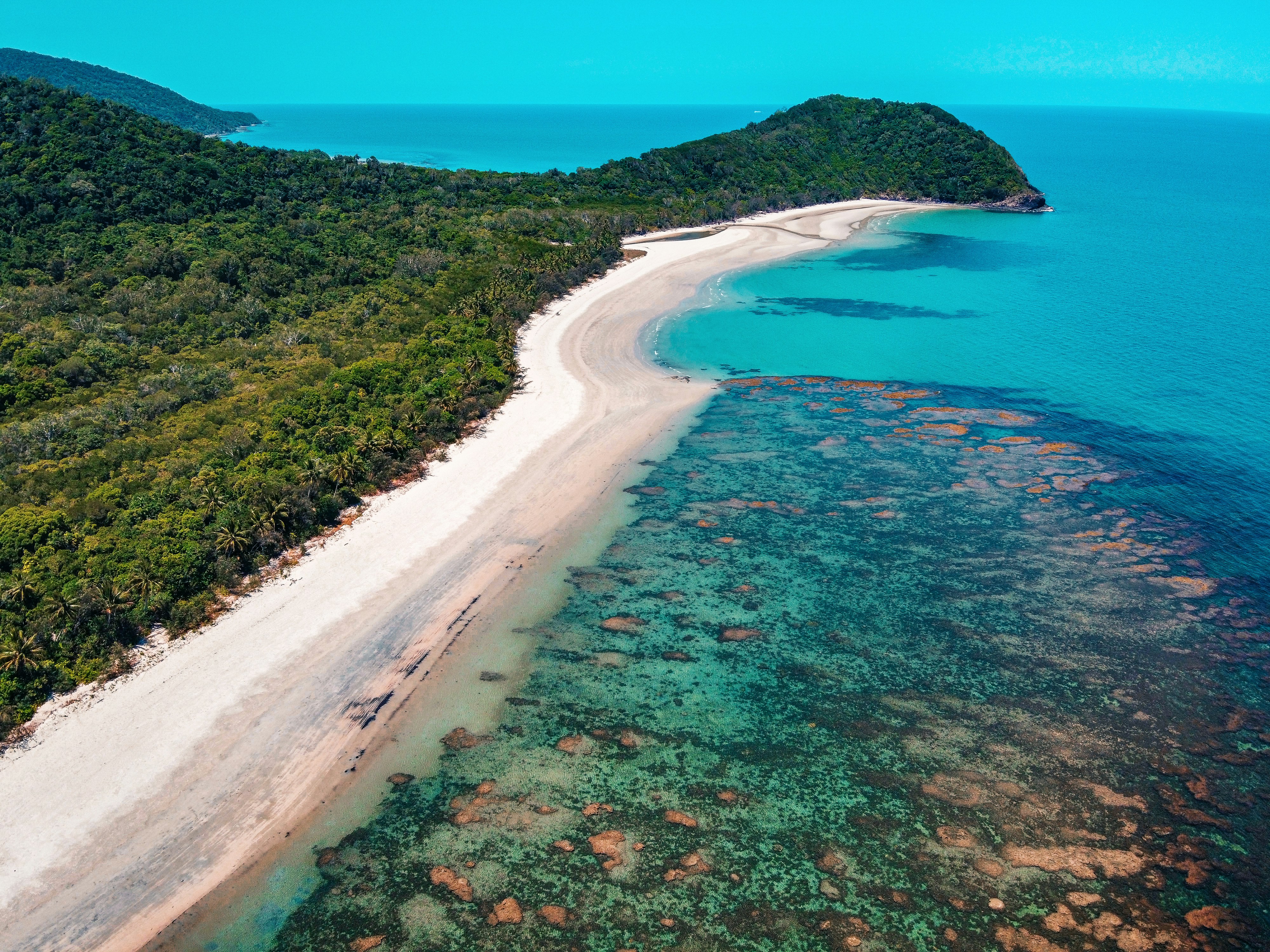
Day 6 — Full-Day Reef Trip: Spend the day snorkeling the Great Barrier Reef, the world's largest coral reef system and genuinely one of the best days of this entire trip. Most operators include equipment, lunch, and a marine biologist guide; certified divers can usually add on two dives for an extra fee.
Day 7 — Daintree Rainforest & Kuranda: Head north to the Daintree Rainforest, one of the oldest tropical rainforests on Earth, for a river cruise and rainforest boardwalk — keep an eye out for cassowaries. On the way back, ride the historic Kuranda Scenic Railway through rainforest and waterfalls to the village of Kuranda. Fly to Melbourne in the evening.
🎟️ Book Your Great Barrier Reef Day Trip:Reef boats sell out fast in the June–October dry season — lock in your snorkeling or diving spot before you land in Cairns.
Browse Great Barrier Reef Tours on GetYourGuide →
Days 8–10: Melbourne — Coffee Culture, Laneways & Food
Day 8 — Arrival & City Laneways: Settle into the CBD and spend the afternoon exploring Melbourne's famous laneways — start at Hosier Lane for its ever-changing street art, then browse Federation Square and the Yarra River promenade. Order a flat white at an independent café; Melbourne genuinely is one of the world's great coffee cities.
Day 9 — Markets & Gardens: Spend the morning at the Queen Victoria Market, a historic open-air market for local food and crafts, then relax in the Royal Botanic Gardens in the afternoon. Melbourne's food scene rivals any city on this itinerary — book a dinner in Fitzroy or Collingwood, two of the city's best-loved dining neighbourhoods.
Day 10 — Free Day or Day Trip: Use this as a buffer day — the Yarra Valley wine region is under an hour from the city and pairs well with a hot air balloon ride over Yarra Valley at sunrise, or stay in the city for the National Gallery of Victoria and more laneway exploring. Pick up your rental car this evening if you're driving the Great Ocean Road tomorrow.
See the full Melbourne city guide for more on the city's food, art, and event calendar.
Days 11–12: The Great Ocean Road
Day 11 — Torquay to the Twelve Apostles: Pick up your rental car and drive the coastal highway from Torquay, stopping at Bells Beach (a legendary surf break) and the seaside town of Lorne along the way. Continue to the Great Ocean Road & Twelve Apostles, arriving at the limestone stacks for golden-hour light — the classic, most-photographed moment on this entire itinerary. Overnight in Port Campbell.
Day 12 — Loch Ard Gorge & Return: Explore Loch Ard Gorge and the London Arch in the morning light before the day-trip crowds arrive, then drive back to Melbourne via the inland route (faster than retracing the coast) in time for your flight to Uluru. Prefer to skip the wheel entirely? A guided Great Ocean Road day tour covers the same highlights without the drive.
Days 13–14: Uluru & the Red Centre
Day 13 — Arrival & Sunset at Uluru: Fly into Ayers Rock Airport and settle into Yulara, the only accommodation base near the rock. In the late afternoon, head to a designated sunset viewing area as Uluru shifts through deep reds and purples — one of the most genuinely moving landscape moments in Australia.
Day 14 — Sunrise & the Uluru Base Walk: Rise before dawn for sunrise over the rock, then walk (or cycle) the Uluru Base Walk, a roughly 10km loop trail around the monolith that reveals rock art sites, waterholes, and Anangu cultural stories along the way — book a ranger-guided walk for the deepest context. If time allows before your departure flight, visit the nearby Field of Light art installation or Kata Tjuta (the Olgas) for one last desert sunset.
🏨 Where to Stay on Each Stop
| Stop | Best area | Why |
|---|---|---|
| Sydney | The Rocks or Circular Quay | Walkable to the Opera House, Harbour Bridge, and ferries |
| Cairns | Cairns Esplanade | Central for reef boat departures and the waterfront lagoon |
| Melbourne | CBD or Fitzroy | CBD for tram access to everything; Fitzroy for food and nightlife |
| Great Ocean Road | Port Campbell or Apollo Bay | Closest towns to the Twelve Apostles and Loch Ard Gorge |
| Uluru | Yulara | The only accommodation base near the rock, from budget to luxury |
Search availability in Sydney, Cairns, Melbourne, the Great Ocean Road, and Yulara, filtered by neighbourhood and budget.
Browse Australia Hotels on Booking.com →
🍽️ What to Eat on This Route
Australian food draws on Indigenous traditions, British heritage, and waves of Asian and Mediterranean immigration — and this route hits most of the country's signature dishes:
- Flat white — the espresso drink Australia gave the world; order one at any independent Melbourne café for the real version.
- Barramundi — Australia's most beloved native fish, best grilled with lemon and chips at a harbourside pub in Sydney or Cairns.
- Sydney rock oysters — smaller and creamier than Pacific oysters, harvested from NSW estuaries for over 200 years.
- Pavlova — a meringue dessert piled with cream and fresh fruit, the centrepiece of any Australian celebration table.
- Vegemite — the polarising yeast-extract spread every visitor has to try at least once (thin layer only, on buttered toast).
See the full food highlights in the Australia country guide for more, including the Tim Tam Slam and Australia's world-class wine regions.
💶 14-Day Australia Budget Breakdown
Australia is one of the world's pricier long-haul destinations, and costs vary sharply between budget and mid-range travel — Sydney and Melbourne run highest, Uluru's remote location adds a premium to food and accommodation there.
| Category | Budget | Mid-Range | Luxury |
|---|---|---|---|
| Accommodation (per night, avg.) | AUD 40–80 | AUD 150–260 | AUD 400+ |
| Food (per day) | AUD 35–55 | AUD 70–110 | AUD 150+ |
| Domestic flights (3 legs) | AUD 350–500 | AUD 500–750 | AUD 900+ |
| Great Ocean Road car rental (2 days) | AUD 90–140 | AUD 140–220 | AUD 300+ |
| Activities (reef trip, Uluru walk, tours) | AUD 250–400 | AUD 500–800 | AUD 1,200+ |
| 14-day total (excl. international flights) | AUD 2,100–2,900 | AUD 3,800–5,400 | AUD 8,000+ |
Build a personalized estimate with our free Budget Calculator, or check Sydney-specific daily costs with the Sydney budget guide and Australia cost breakdown.
🛂 Visa & Entry Requirements
Almost every visitor needs a visa or Electronic Travel Authority before arrival — Australia has no visa-on-arrival system. US, UK, Canadian, and most EU citizens can apply online for an ETA (subclass 601) or eVisitor (subclass 651), both quick, low-cost electronic processes usually approved within minutes to a few days. New Zealand citizens have automatic residence rights. Confirm your exact requirements with our free Visa Requirements Checker or the destination-specific Australia visa guide, and apply at least a week before you fly.
📶 Internet & SIM Cards
Coverage is excellent in Sydney, Melbourne, and Cairns, but drops off quickly outside major towns — including stretches of the Great Ocean Road and much of the Uluru region. Telstra has by far the best regional and outback coverage of Australia's three carriers, so it's worth prioritising over price alone if your route includes remote areas. For visitors, an eSIM installed before you land is the simplest option — compare Airalo and Holafly plans, and download offline Google Maps for the Great Ocean Road and Uluru legs in case of dead zones.
🛡️ Safety Tips for This Itinerary
Australia is a very safe destination overall — violent crime against tourists is rare. The real hazards on this route are natural, not criminal:
- Rip currents: Australia's biggest beach danger. Always swim between the red-and-yellow flags at patrolled beaches like Bondi and Manly — surf lifesavers are there for a reason.
- Sun exposure: Australia has the world's highest rates of skin cancer. Apply SPF 50+ every two hours, especially at the reef and Uluru, where UV levels are extreme.
- Wildlife distance: Never approach or feed wild animals — kangaroos, wombats, and cassowaries (near Cairns and the Daintree) can inflict serious injury if provoked.
- Pickpocket hotspots: Sydney CBD and Circular Quay during peak season, and crowded event areas — standard city-travel awareness applies.
- Emergency number: 000 nationwide for police, ambulance, and fire. Download the Emergency+ app for accurate GPS-based emergency services, particularly useful around Uluru and the Great Ocean Road.
Full details in our Australia travel guide and safety section.
💡 Insider Tips for This Route
- Book reef tours and the Uluru sunset/sunrise viewing areas in advance during June–October (dry season) and school holiday periods — both sell out.
- Fly Melbourne to Uluru rather than Sydney to Uluru — Melbourne connections are typically more frequent and better priced.
- Pack layers even in "summer" — Melbourne's weather is famously changeable, and desert nights at Uluru drop sharply after dark even when days are hot. Check the Australia packing list before you go.
- Reef-safe sunscreen only at the Great Barrier Reef — standard sunscreen chemicals damage coral, and some operators won't let you in the water without it.
- Carry more water and fuel than you think you need on the Great Ocean Road and around Uluru — distances between fuel stops are longer than they look on a map.
🗺️ Nearby Destinations & Alternative Routes
If you're weighing Australia against the other classic Southern Hemisphere long-haul trip, see how it stacks up in our Australia vs New Zealand comparison. Prefer a shorter trip focused on just the east coast? Our 7-Day Australia Itinerary covers Sydney, Melbourne, Brisbane, and Perth highlights in a tighter window. Digital nomads considering a longer stay may want the Sydney nomad guide or Melbourne nomad guide, and weekend travellers can find shorter city-specific plans in our Sydney weekend guide and Melbourne weekend guide. For more route ideas, browse all destination guides or explore Australia's best beaches if you'd rather trade a stop on this itinerary for more time in the water.
❓ Australia 14-Day Itinerary FAQ
Is 14 days enough for Australia?
Fourteen days is enough to comfortably combine one east-coast city, the Great Barrier Reef, a second major city, the Great Ocean Road, and Uluru — as in this itinerary. It's not enough to also add Perth, Adelaide, or Tasmania without turning the trip into a series of rushed overnight stops; those regions are better saved for a return trip or a 21+ day route.
What is the best time to visit Australia?
September–November and March–May work best for a route combining Sydney, Melbourne, and Uluru. If the Great Barrier Reef is your priority, June–October gives the calmest seas and best visibility. Avoid December–March in the far north, which is cyclone/wet season.
How much does 2 weeks in Australia cost?
Budget travellers can complete this route for roughly AUD 2,100–2,900 over 14 days (excluding international flights), while a mid-range trip with 3–4 star hotels and the reef and Uluru tours included runs AUD 3,800–5,400. Domestic flights and the Great Barrier Reef trip are the two biggest single costs on this itinerary.
Do I need a visa to visit Australia?
Almost all visitors need an ETA or eVisitor before arrival — Australia has no visa-on-arrival. Most US, UK, Canadian, and EU passport holders can apply online in minutes. Check the Australia visa guide for your specific passport.
Is Australia safe for tourists?
Yes — violent crime against visitors is rare. The main risks are natural: rip currents at unpatrolled beaches, extreme UV exposure, and remote-area travel on the Great Ocean Road and around Uluru, where carrying extra water and fuel matters more than in most countries.
Should I rent a car for this itinerary?
Only for the Great Ocean Road leg — Sydney and Melbourne both have excellent public transport, and Cairns and Yulara are compact enough to walk or shuttle around. A rental car (or guided day tour) is genuinely the only practical way to see the Twelve Apostles at your own pace.
Can I see the Great Barrier Reef and Uluru on the same trip?
Yes — this itinerary is built specifically to combine both without excessive backtracking, connecting Cairns to Melbourne, then Melbourne to Uluru, using Australia's east-coast-to-centre flight network rather than crossing the continent twice.
What's the best Australia itinerary for first-timers?
This route — Sydney, the Great Barrier Reef, Melbourne, the Great Ocean Road, and Uluru — is widely considered the classic first-time combination, since it covers Australia's most iconic city, reef, food city, coastal drive, and desert landmark in one trip without requiring west-coast or Tasmania flights.
Find flights, compare hotels, and grab reef and Uluru tours — all in one place.
Search Flights to Australia → | Find Australia Hotels → | Book Reef Tours →
Fourteen days on this route won't show you everything Australia has to offer — nothing short of a year would — but it delivers the five experiences most travellers actually fly around the world for, without the rushed, over-scheduled feeling that comes from trying to fit in every state capital. Ready to build out the rest of your trip? Explore more destination guides, check the best months to visit Australia, and plan your budget with our free Budget Calculator.
*Some links on this page are affiliate links. If you book through them, we may earn a small commission at no extra cost to you. This helps keep the site free.