
The year in Croatia
- January: Off-season
- February: Off-season
- March: Good
- April: Great
- May: Great
- June: Great
- July: Good
- August: Off-season
- September: Great
- October: Great
- November: Off-season
- December: Off-season
November: off-season · 9–15°C · rainy season · quiet · low prices
Month by monthCroatia at a glance
- Best timeApr–Jun, Sep–Oct
- Daily costAbout $160 a dayMid-range, per person, excl. flights
- VisaCheck for your passport
- MoneyEuro (€)
- PlugsType C, F230 V
- LanguageCroatian
- TimeCET / CEST (UTC+1 / +2)
- CapitalZagreb
- How long10–14 days
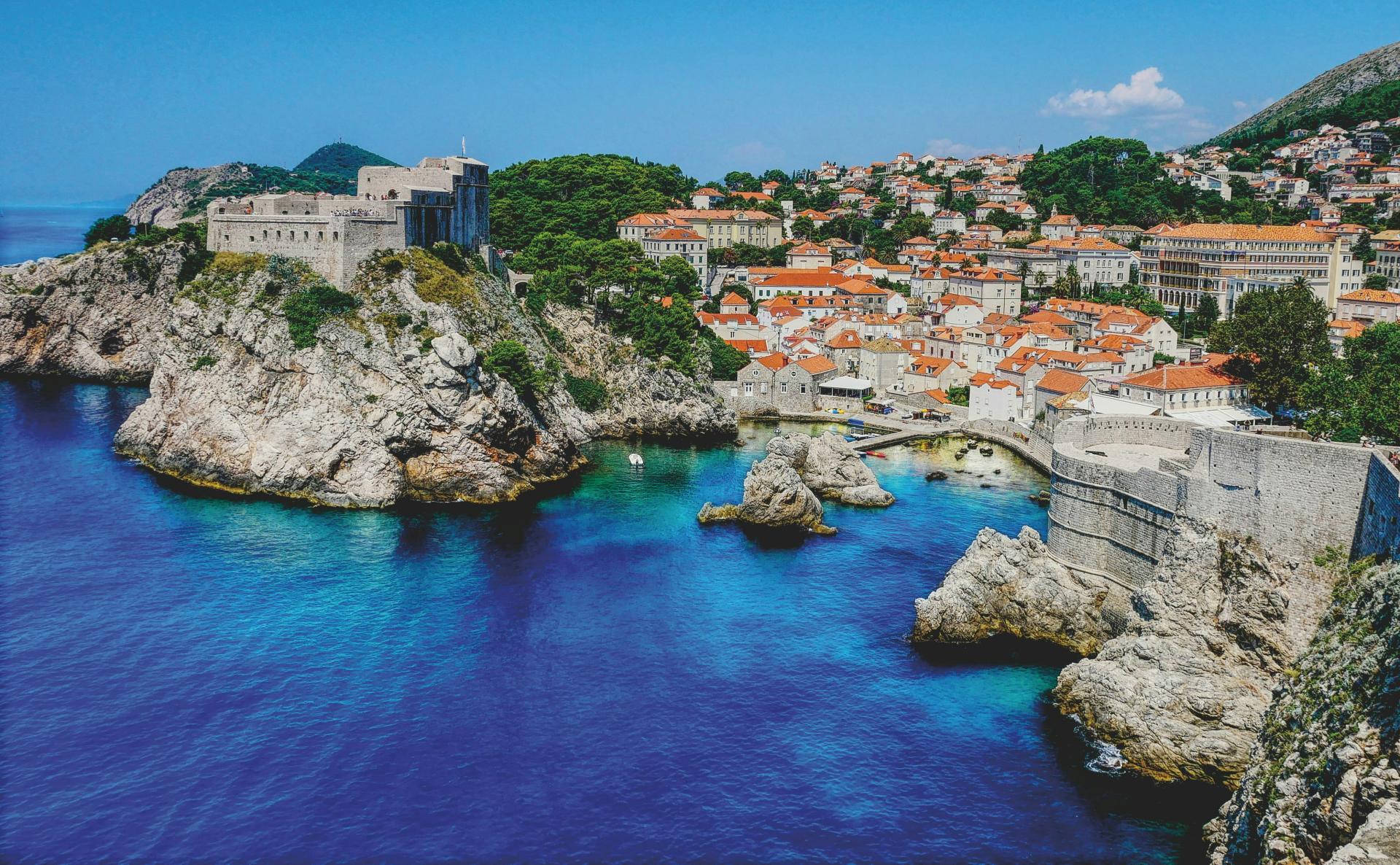
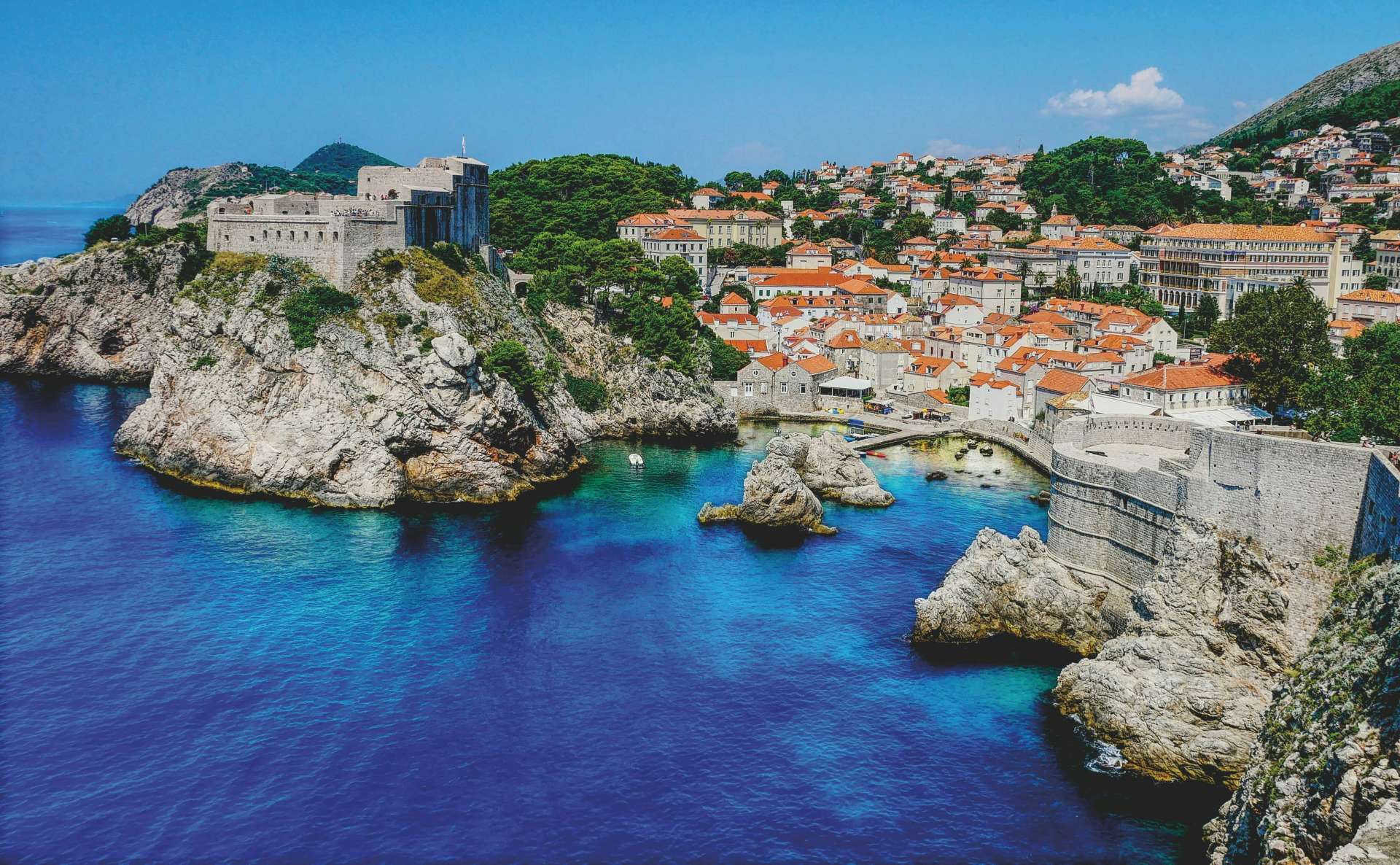
Croatia is one of the Mediterranean's most spectacular destinations — a land of over 1,200 islands, cascading turquoise waterfalls, medieval walled cities, and an Adriatic coastline that has seduced travellers, sailors, and filmmakers for centuries. From the UNESCO-listed old towns of Dubrovnik and Trogir and the thundering waterfalls of Plitvice Lakes National Park to the lavender-scented island of Hvar, the Roman ruins of Split's Diocletian's Palace, and the truffle forests of Istria, Croatia packs extraordinary variety into a beautifully compact country. Add exceptional local wine, olive oil, black risotto, and freshly grilled Adriatic fish to the mix, and Croatia becomes one of Europe's most complete travel experiences.
- Dubrovnik Old Town
- 1,200+ Islands
- Plitvice Lakes
- Dalmatian Coast Sailing
- Istrian Truffles & Wine
- Game of Thrones Locations
Ideal for: Couples · Beach Lovers · History Buffs · Sailors & Yachters · Foodies · Adventure Seekers
Plan your Croatia trip
Is Croatia good in November?
Not the best month in Split: 9–15°C · rainy season · quiet · low prices.
Holidays in the next 60 days
- Christmas · 25 Dec
- New Year's Day · 1 Jan
- Epiphany · 6 Jan
Croatia month by month Where's best in November November travel ideas
Don't miss in Croatia
Explore Croatia
Choose a category to discover the best places
Top Cities to Visit
Zagreb, Dubrovnik, Split +4 more
Best Beaches to Explore
Zlatni Rat – Brac Island, Banje Beach – Dubrovnik, Stiniva Beach – Vis Island +7 more
Famous Sights & Landmarks
Dubrovnik Old Town, Plitvice Lakes National Park, Diocletian's Palace +8 more
Natural Wonders & Parks
Plitvice Lakes National Park, Krka National Park, Mljet National Park +5 more
Outdoor & Adventure
Hiking in Plitvice Lakes National Park, Sea Kayaking in Dubrovnik, Cycling on Hvar Island +6 more
Food & Cuisine
Peka (Bell-Roasted Meat or Octopus), Crni Rižot (Black Risotto), Grilled Adriatic Fish (Riba na Žaru) +7 more
Festivals & Events
Dubrovnik Summer Festival, Ultra Europe (Split), Sinj Alka (UNESCO) +5 more
Find Hotels in Croatia
Search Booking.com for everything from budget hostels to 5-star resorts.
Safety Guide
Is Croatia
safe to visit?
Overall Safety
Very Safe
Overall Safety
Very Safe
Solo Female Travel
Very Good
Watch Out For
Overpriced seafood menus near harbour fronts — always check prices before ordering
Unlicensed boat tour operators on the islands — book through reputable agencies
Unofficial taxi drivers at Split and Dubrovnik ports and airports
Restaurants adding unsolicited cover charges, bread charges, or service fees not on the menu
Counterfeit wine or olive oil sold at informal roadside stalls
Pickpocket Hotspots
- Dubrovnik's Stradun (main street) and city walls in peak season
- Split Riva promenade and the Green and Fruit markets
- Zagreb's Dolac Market and Ban Jelačić Square
- Busy ferry ports (Split, Dubrovnik, Zadar)
- Crowded island boat piers during summer
Areas to Be Cautious
- Isolated coastal roads and remote island paths after dark
- Unmarked beach entry points — some areas have sea urchins and rocky underwater hazards
- Bura wind conditions at sea — check local weather before any boat trips
Safety Tips
- Book Plitvice Lakes and Dubrovnik city walls tickets well in advance — visitor limits apply
- Use official taxi apps (Bolt, Uber) rather than street taxis, especially at ports and airports
- Carry cash — many smaller konobas, ferries, and island shops don't accept cards
- Wear water shoes at rocky beaches — Croatia has very few sandy beaches
- The Adriatic sea is exceptionally clean — safe for swimming throughout the coast
Official Travel Advisories
Safety ratings are based on general traveler reports and publicly available data. Advisory links open official government websites.
Digital Nomad Score
Is Croatia good
for remote work?
Nomad Friendly
Plan Around This
Public holidays & closures
in Croatia
Key dates when banks, offices and some shops may be closed — build these into your itinerary.
Sunday closures common inland; coastal tourist towns stay open through summer.
Dates shown are general guidance — movable and religious holidays shift each year, and exact closures vary by business. Always confirm specific dates closer to your travel period.
Plan Smarter
Places like Croatia
Where to go next if you like Croatia.
Croatia FAQ
Common questions about
visiting Croatia
Croatia sits at the upper-mid range for Europe. Budget travellers can manage on €60–90/day (hostel, local konobas, public buses). Mid-range trips run €140–220/day. Dubrovnik and Hvar are the priciest spots — especially in July and August. Travelling in May, June, or September cuts costs significantly and avoids the peak crowds. Eating at local konobas (family taverns) rather than waterfront tourist restaurants saves 30–50%.
Reviews
No reviews yet — be the first to share your experience.