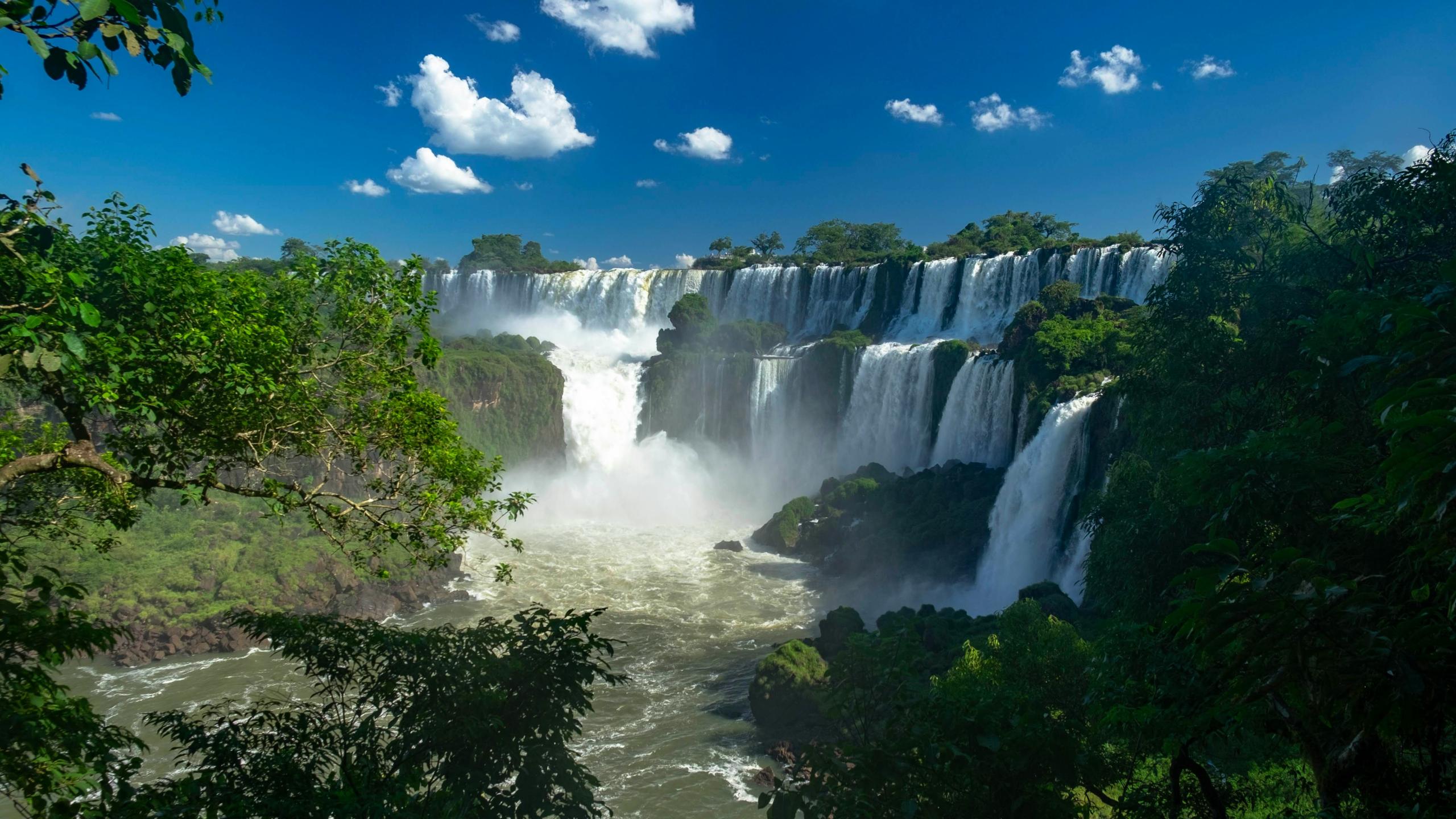
Argentina is the one country in South America that refuses to be summed up in a single trip theme. In the same two weeks you can dance until 3am in a Buenos Aires milonga, stand soaked in the spray of one of the world's largest waterfalls, drive through a mountain valley striped in seven colours, taste Malbec grown at 1,000 metres in the shadow of the Andes, and watch a wall of glacial ice the size of a city block crack into a turquoise lake. Few countries on Earth pack that much geography and culture into one itinerary.
This 14-day Argentina itinerary is built around that scale — a route through Buenos Aires, Iguazú Falls, Salta and the Quebrada de Humahuaca, Mendoza wine country, and Patagonia (Bariloche and El Calafate) that respects how the country's domestic flights actually connect. Below you'll find the full day-by-day plan plus the practical details — costs, transportation, visa rules, safety, and what to eat — that turn a good trip into a great one.
Argentina Quick Facts
Capital: Buenos Aires • Currency: Argentine Peso (ARS)
Language: Spanish • Time zone: ART (UTC−3)
Best time to visit: October–April (varies by region) • Recommended stay: 14–21 days
Average daily budget: USD 40–160+ per person depending on travel style
📅 Best Time to Visit Argentina
Argentina stretches across more than 3,700 km of latitude, from the subtropical north to the sub-Antarctic south, so "best time to visit" depends heavily on which regions are on your route. For a 14-day trip covering Buenos Aires, Iguazú, the northwest, Mendoza, and Patagonia, October–April is the sweet spot that keeps every region comfortable at once.
- Buenos Aires: October–April for warm, pleasant weather; December–February is hot and humid.
- Iguazú Falls: Genuinely year-round, though water volume is highest after the November–March rains and lower (with easier viewing angles) from May–September.
- Salta & Quebrada de Humahuaca: April–October for dry, clear days; the summer rainy season (December–March) can flood mountain roads.
- Mendoza: March–April for the grape harvest and the Vendimia festival; October–April generally for wine touring and warm days.
- Patagonia (Bariloche & El Calafate): November–March for accessible trails, longer daylight, and mild glacier-region temperatures.
Check month-by-month conditions before you book with our Best Time to Visit Argentina tool, and see the Argentina festivals calendar if you want to time your trip around Buenos Aires's August Tango Festival or Mendoza's Vendimia harvest celebration.
✈️ Getting to Argentina & Getting Around
Most international flights land at Ministro Pistarini International Airport (EZE) in Buenos Aires, about 40 minutes from downtown. Compare fares from your home airport with our flight search tool.
- Domestic flights: Argentina is enormous, and flying is the only realistic way to cover this itinerary in two weeks. Almost all domestic routes connect through Buenos Aires's downtown airport, Aeroparque Jorge Newbery (AEP) — not EZE — so build in transfer time (and occasionally an overnight) between regions such as Iguazú, Salta, Mendoza, Bariloche, and El Calafate.
- Long-distance buses: Argentina's coach network is excellent and far cheaper than flying, with reclining "cama" seats for overnight routes — a realistic option if you have extra days and want to skip a short flight leg.
- Within Buenos Aires: The Subte (metro) and buses (colectivos) are cheap and efficient with a rechargeable SUBE card; use Cabify or Uber rather than hailing street taxis.
- Rental cars: Worth it specifically in Mendoza (self-driving between wineries with a designated driver) and around Bariloche's Seven Lakes Route — not needed in Buenos Aires, Iguazú, or El Calafate, where tours and short taxis cover everything.
🗺️ Argentina 14-Day Itinerary
This route groups the country into six regions, moving roughly north-to-south with Buenos Aires as the hub between flights — the most efficient way to see this much of Argentina without excessive backtracking.
Days 1–3 — Buenos Aires
Ease in with a few days in the capital. Wander La Boca and Caminito for tango dancers and technicolour houses, pay respects at Evita's tomb in the ornate Recoleta Cemetery, and take in the grand Plaza de Mayo and Casa Rosada. Book a guided or self-guided tour of the opulent Teatro Colón, one of the world's finest opera houses, and spend an evening at a milonga watching — or trying — tango. Don't leave without an asado dinner and a bottle of Malbec in Palermo. See the full Argentina travel guide and browse every Buenos Aires attraction for more options.
Days 4–5 — Iguazú Falls
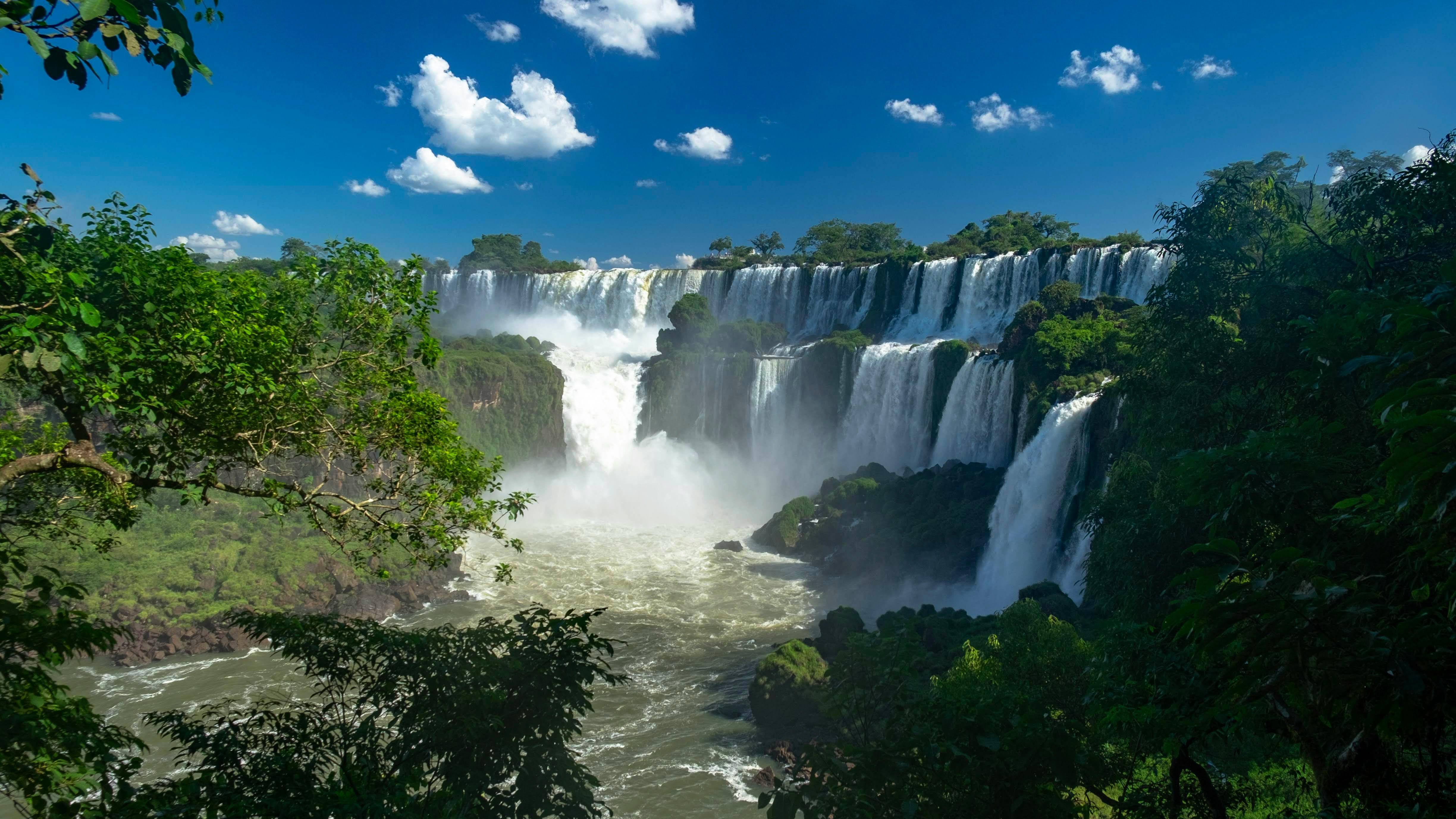
Fly north to Puerto Iguazú for one of the planet's great natural spectacles. Iguazú Falls spans nearly 2 km and 275 individual cascades, straddling the Argentina-Brazil border inside Iguazú National Park. Walk the Argentine side's upper and lower circuits for close-up views, then take the short boat ride to the thunderous Garganta del Diablo (Devil's Throat). If time allows, visit the Three Borders Landmark, where Argentina, Brazil, and Paraguay meet at the confluence of the Iguazú and Paraná rivers. Explore more of the region's natural wonders and national parks.
Days 6–8 — Salta & the Quebrada de Humahuaca
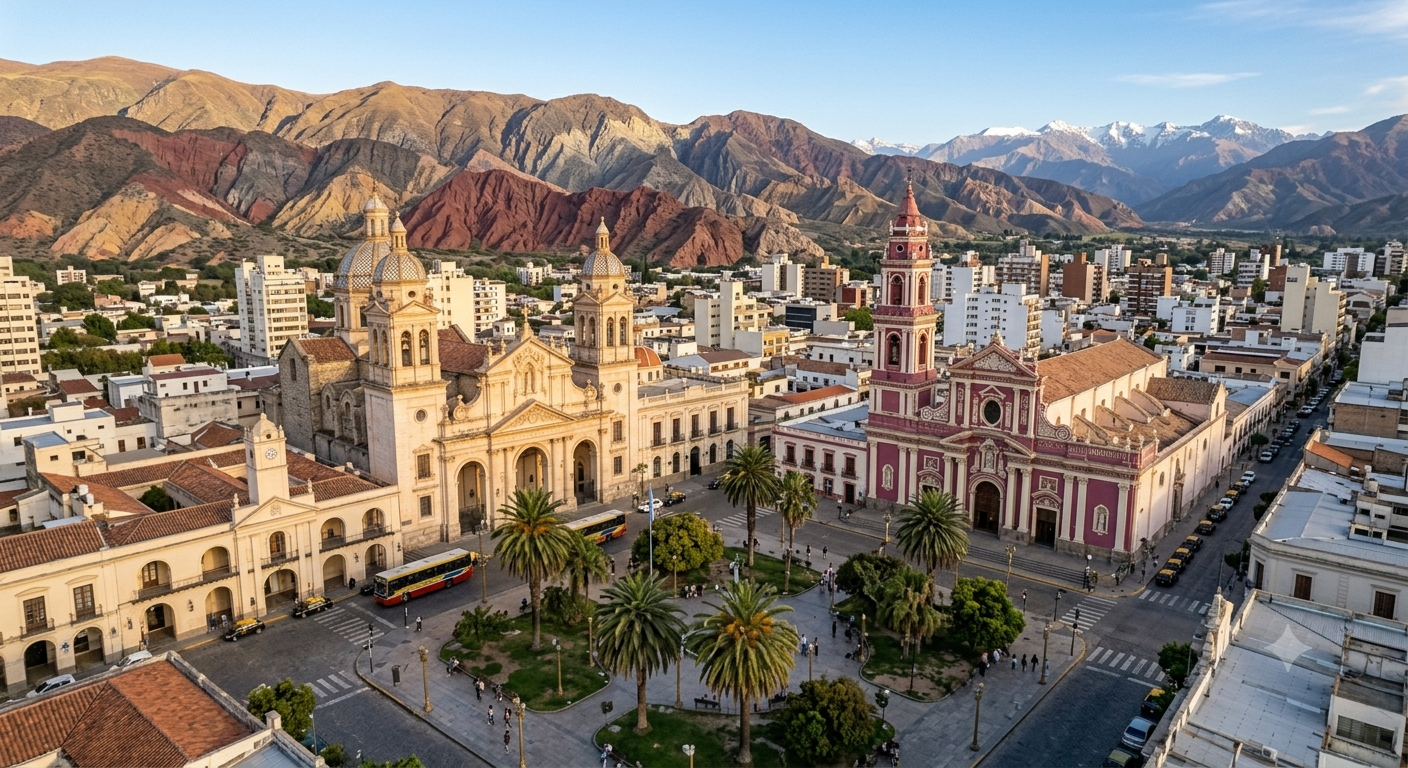
Fly to Salta, the handsomely preserved colonial capital of Argentina's northwest. Ride the cable car up Cerro San Bernardo for panoramic city views, and visit the MAAM Museum to see remarkably preserved Inca mummies recovered from high-altitude sites. Take a full-day trip to the Salinas Grandes salt flats for surreal, mirror-like photography, then continue into the Quebrada de Humahuaca — a UNESCO World Heritage canyon of multicoloured rock formations, traditional Andean villages, and centuries-old indigenous culture. This is high-altitude terrain (over 2,000m in places), so pace yourself and stay hydrated.
Days 9–10 — Mendoza Wine Country
Fly south to Mendoza, Argentina's wine capital and the heart of the world's finest Malbec. Base yourself near Plaza Independencia and spend a day touring vineyards in Luján de Cuyo and Maipú — many offer bike tours between tasting rooms against a backdrop of the snow-capped Andes. For hikers, Aconcagua Provincial Park, home to the highest peak in the Western Hemisphere, is a scenic day trip even if you're not summiting. Browse more of the wine region and landmark guides to plan your tastings.
Days 11–12 — Bariloche & the Lake District
Fly into Patagonia's alpine gateway, San Carlos de Bariloche, set on the shores of Nahuel Huapi Lake. Explore Nahuel Huapi National Park's forests and turquoise lakes, ride the chairlift up Cerro Catedral for sweeping mountain panoramas, and stroll the Swiss-inspired Civic Center before stopping for the city's famous handmade chocolate. If you have an extra half-day, the Circuito Chico and Seven Lakes Route are among Argentina's most scenic drives.
Days 13–14 — El Calafate & Perito Moreno Glacier
End the trip in Argentine Patagonia's glacier country. From El Calafate, it's a short drive into Los Glaciares National Park to see the Perito Moreno Glacier — a five-kilometre wall of ice that calves house-sized chunks into Lago Argentino in full view of the park's walkways. Book a mini-trekking tour to walk directly on the ice, or a boat trip for a water-level view of the ice face. Adventurous travellers with an extra day can base in El Chaltén instead for trekking toward the granite spires of Mount Fitz Roy, Argentina's premier hiking destination. Fly back through Buenos Aires for your international departure.
🍴 What to Eat in Argentina
Argentina's food culture centres on beef, wine, and ritual — few countries take mealtime as seriously.
- Asado — the near-sacred Argentine barbecue, slow-grilled over wood or charcoal for hours; look for bife de chorizo, vacío, and entraña.
- Empanadas — baked or fried pastries filled with spiced beef, chicken, or cheese; Salta's version with boiled egg and potato is a regional specialty worth seeking out.
- Dulce de leche — the caramel spread that appears in nearly every Argentine dessert, from alfajores to cakes.
- Milanesa — breaded, fried beef or chicken cutlet, Argentina's most-ordered everyday comfort food.
- Mate — the bitter yerba mate infusion shared from a communal gourd; being offered one is a genuine gesture of friendship.
- Malbec — Argentina's signature red wine, at its best straight from Mendoza's high-altitude vineyards.
For a deeper dive into regional specialties and where to find them, see our full guide to the best foods in Argentina, or browse Argentina's food and cuisine category for restaurant-level detail in each city.
🏨 Where to Stay in Argentina
- Buenos Aires — Palermo or Recoleta: Palermo has the best restaurants and nightlife; Recoleta is quieter, elegant, and close to the cemetery and museums. San Telmo suits travellers who want tango and antique markets on their doorstep.
- Puerto Iguazú: Stay close to town for restaurants and easy access to the national park entrance, or splurge on a jungle-lodge stay for the rainforest soundtrack.
- Salta: The historic centre near Plaza 9 de Julio puts every colonial sight within walking distance.
- Mendoza: Stay in the city centre for restaurants and nightlife, or at a vineyard lodge in Luján de Cuyo for a slower, wine-country pace.
- Bariloche: The Civic Center area is walkable and central; lakeside hotels along the Llao Llao peninsula offer the best Nahuel Huapi views.
- El Calafate: A compact town — most hotels are within a short walk or drive of the bus terminal and glacier tour departure points.
💶 Argentina Travel Costs
Argentina has historically been one of South America's better-value destinations for foreign visitors, thanks to favourable currency exchange rates — but domestic flights across this itinerary's six regions are the single biggest cost to plan for.
| Travel style | Daily budget (USD) | What it includes |
|---|---|---|
| Budget | 40–60 | Hostels, local parrillas and cafés, buses, free attractions |
| Mid-range | 100–160 | 3-star hotels, mix of local and touristic restaurants, some domestic flights and guided tours |
| Luxury | 250+ | Boutique hotels and vineyard lodges, private glacier and wine tours, premium domestic flights |
Buenos Aires is the priciest city on this route, while Salta and the northwest offer the best value. Always exchange money at reputable casas de cambio or via MEP dollar transfers rather than the official bank rate, which is typically far less favourable — ask your accommodation for current guidance, as this changes frequently. Use our Budget Calculator to build a full estimate for your own trip length and travel style.
🛂 Visa & Entry Requirements
Citizens of the US, UK, EU, Canada, Australia, and New Zealand do not need a visa for stays of up to 90 days, and a valid passport is required. Argentina no longer charges a reciprocity fee for US citizens. Entry requirements have changed in recent years, so always verify current rules with the Argentine consulate or our free Visa Requirements Checker before booking flights.
🛡️ Safety Tips for Argentina
Argentina is generally safe for tourists, though precautions matter most in Buenos Aires.
- Pickpocketing and bag-snatching cluster around La Boca (especially Caminito), the San Telmo Sunday fair, the Subte during peak hours, and Florida Street.
- Watch for the "mustard scam" — someone deliberately spills a substance on you while an accomplice offers to help and picks your pocket — and be aware that real police officers will never ask to inspect your wallet for counterfeit bills.
- Use Cabify, Uber, or a pre-booked registered taxi in Buenos Aires — never hail a taxi off the street.
- Keep a copy of your passport separate from the original, and exchange money only at official casas de cambio.
- Emergency numbers: 101 (police), 107 (ambulance), 100 (fire).
For a broader regional comparison, see our roundup of the safest countries to travel in 2026.
💡 Insider Tips
- Build in a buffer day or overnight connection when switching regions — most domestic flights route through Buenos Aires's Aeroparque, and tight same-day connections can unravel with weather delays, especially in Patagonia.
- Learn basic Spanish before you go — outside Buenos Aires, English is rarely spoken, even at hotels and tour desks.
- Pack layers for every region on this route: humid summer heat in Buenos Aires and Iguazú, high-altitude sun and cold nights in Salta, and genuinely cold wind in Patagonia even in summer.
- Book Perito Moreno mini-trekking and Fitz Roy trekking permits in advance during the November–March peak season — spots fill up fast.
- Tap water is safe to drink in Buenos Aires and most major cities on this route.
🗺️ Nearby & Alternative Destinations
If two weeks only whets your appetite, Chile shares the Andes and Patagonia's Lake District with Argentina and pairs naturally with a Bariloche or El Calafate extension, while Paraguay sits just across the river from the Iguazú Falls tri-border area. If 14 days is more than you have available, our auto-built 7-day Argentina itinerary and 3-day Argentina itinerary tools can help you scope a shorter trip around Buenos Aires and one other region. Browse more destination guides to plan the rest of your South America trip.
❓ Argentina Itinerary FAQ
How many days do you need in Argentina?
14 days covers Buenos Aires, Iguazú Falls, the northwest, Mendoza, and Patagonia at a comfortable pace, as in this itinerary. Argentina's sheer size means 14–21 days is the generally recommended range for a first visit; anything shorter means picking two or three regions rather than covering the whole country.
What is the best time to visit Argentina?
October–April works well for a multi-region trip like this one, covering warm weather in Buenos Aires, accessible Patagonian trails, and Mendoza's harvest season. Iguazú Falls is enjoyable year-round, while Salta and the northwest are best visited April–October to avoid the summer rainy season.
Is Argentina safe for tourists?
Yes, generally — Argentina is considered safe for tourists, with the main risks being petty theft and scams in Buenos Aires tourist zones like La Boca, San Telmo, and the Subte. Patagonia, Mendoza, and Salta are considerably lower-risk than the capital. Standard city-travel precautions are enough for most of this itinerary.
Do I need a visa to visit Argentina?
Citizens of the US, UK, EU, Canada, Australia, and New Zealand can visit visa-free for up to 90 days with a valid passport, and the US reciprocity fee has been eliminated. Check our Visa Requirements Checker for your specific passport before booking.
How much does a 2-week trip to Argentina cost?
Budget travellers can manage on USD 40–60/day; mid-range trips with domestic flights and guided tours run USD 100–160/day. For 14 days, that's roughly USD 560–840 per person at budget level or USD 1,400–2,240 at mid-range, excluding international flights — domestic flights between regions are typically the largest single cost.
What should I eat in Argentina?
Don't miss an asado (Argentine barbecue), empanadas — especially Salta's egg-and-potato style — dulce de leche in any form, and a glass of Mendoza Malbec. See our full Argentina food guide for regional specialties city by city.
Ready to build out the rest of your trip? Explore the complete Argentina travel guide, check the best months to visit, and plan your budget with our free Budget Calculator.